


A pancreatitis diagnosis is frightening, and the food in your dog's bowl suddenly matters more than ever. The single most important rule is simple: keep the fat low. This is the honest guide to feeding a dog with pancreatitis, including which lean raw options can fit and which to steer clear of.
Pancreatitis means inflammation of the pancreas, the organ that makes the enzymes a dog uses to digest food. When it flares, those enzymes start to act too early and irritate the pancreas itself, which is painful and can be serious. A high-fat diet is one of the most common triggers, which is why it is nicknamed Boxing Day Disease, after all the dogs who raid the Christmas ham. The fix, and the thing every vet agrees on, is a low-fat, gentle, highly digestible diet. Here is how to think about it, and where a lean raw approach can fit if your vet agrees.
Please read first. Pancreatitis is a serious medical condition that can be life-threatening. Acute cases often need urgent veterinary treatment with fluids and pain relief. This article is general information only and does not replace veterinary advice. Do not change your dog's diet without talking to your vet, and seek care immediately if your dog is vomiting, refusing food, lethargic or showing a painful, hunched belly.
Quick answer: what should I feed a dog with pancreatitis?
Feed low fat. Most vets aim for a diet under around 15% fat, built on lean, highly digestible protein and fed in small, regular meals. Naturally lean proteins like emu, venison and rabbit can suit a low-fat raw approach. Because fat content varies between foods, always confirm the diet with your vet before making any change.
What RogueRaw customers say
Fiona H. ✓ Verified
6 December 2025
Switched my boy Henry over and the difference is real. Firmer stools, softer coat, and he is clearly absorbing his food better. Wish I had done it sooner.
Paul M. ✓ Verified
20 September 2025
My staffy Koojo does so well on the leaner proteins. We changed his food and added their supplements and his coat and energy have come right up.
Verified Buyer ✓ Verified
ProductReview.com.au
My 10yr old Dobermann has always been raw fed. Excellent quality wild meats, he loves the emu and whole sardines. Save on vet bills, feed your pet RogueRaw.
Lean RogueRaw proteins to discuss with your vet
Low-fat, highly digestible options. Always confirm suitability with your vet for a dog with pancreatitis.

Naturally low in fat and named by RogueRaw as suitable for pancreatitis. A clean, lean novel protein.
From $15.50
Add to cart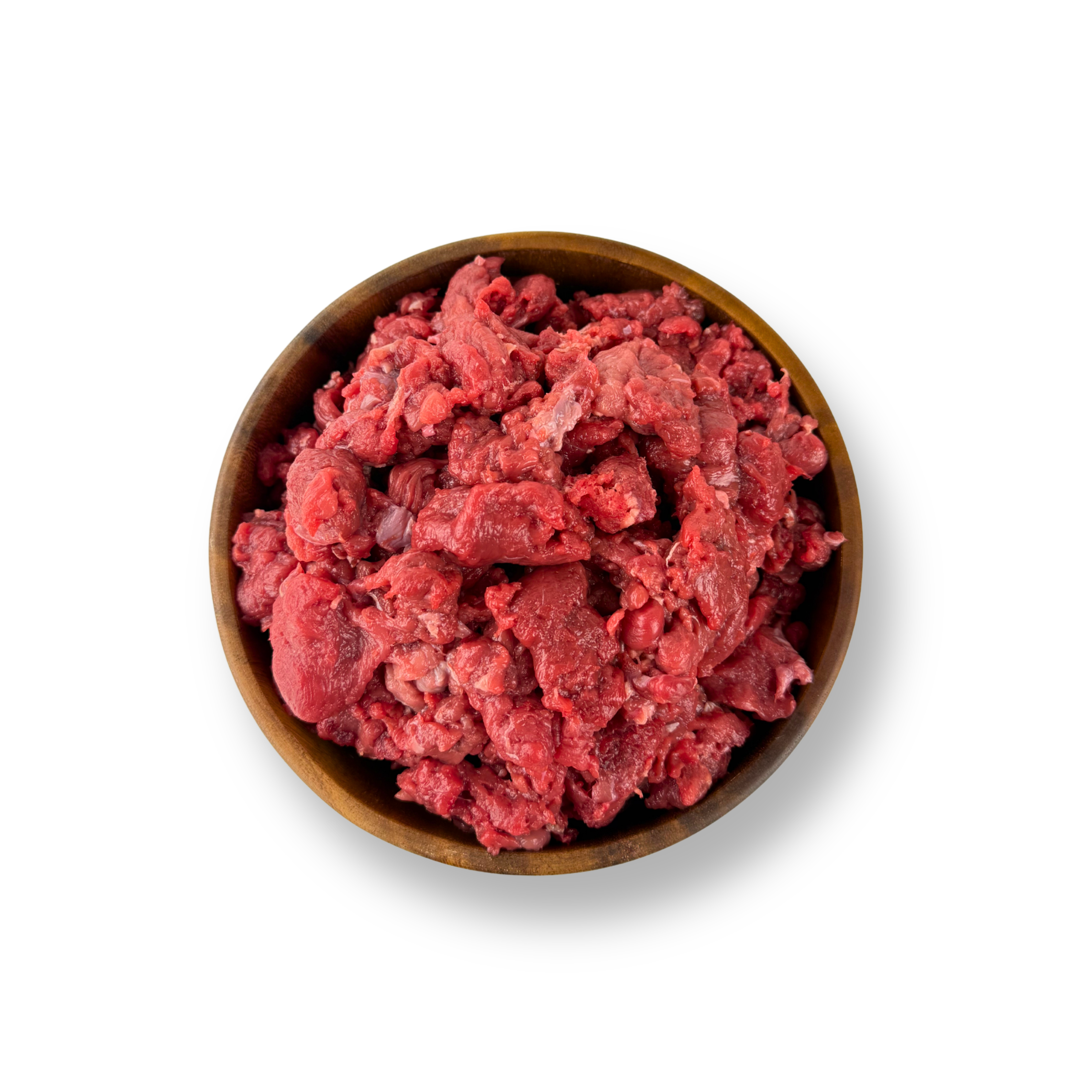
Clean, low-fat profile and hypoallergenic. A lean, wild-sourced protein for sensitive dogs.
$24.00
Add to cart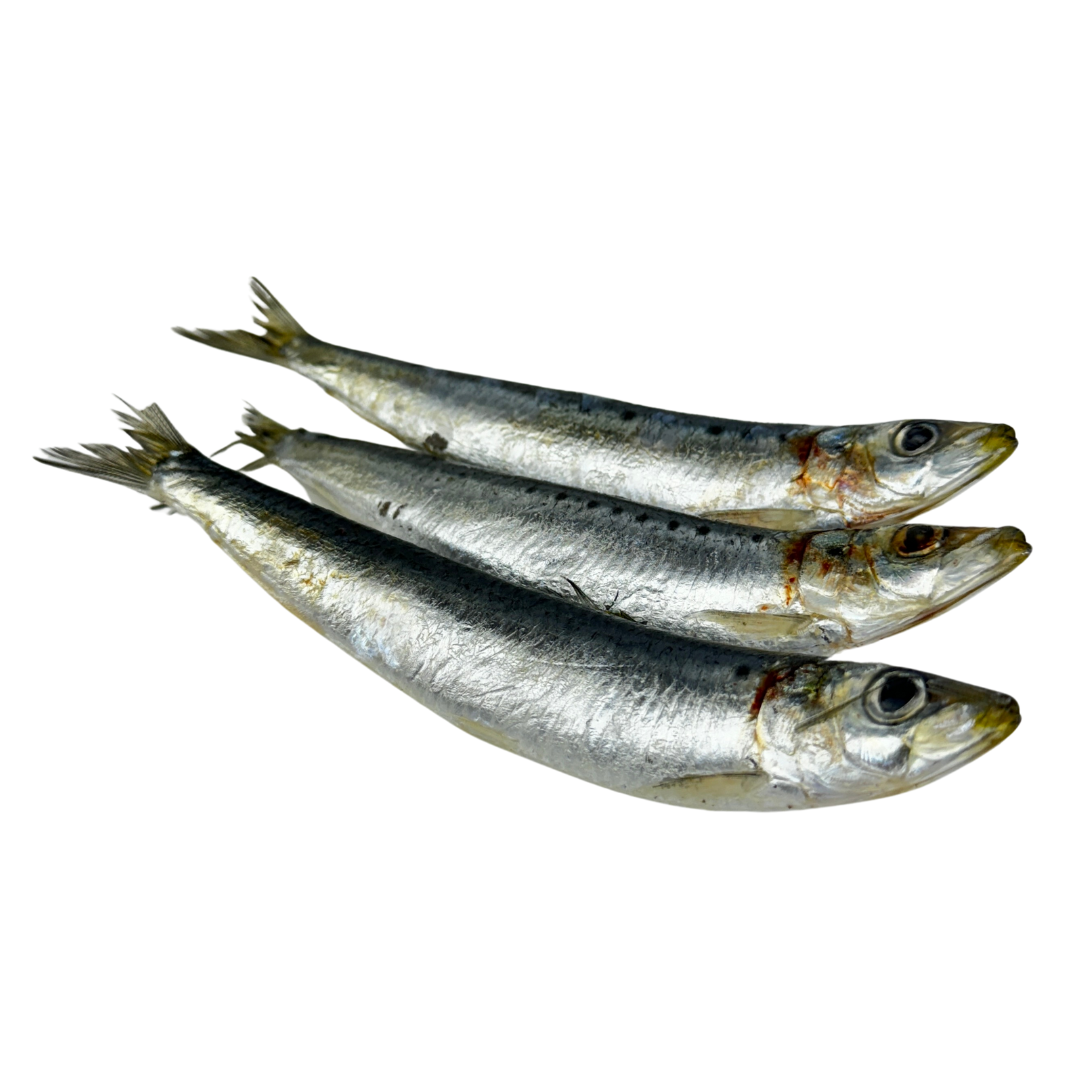
Lean fish rich in omega-3, which supports a natural anti-inflammatory response. A gentle topper.
From $9.50
Add to cart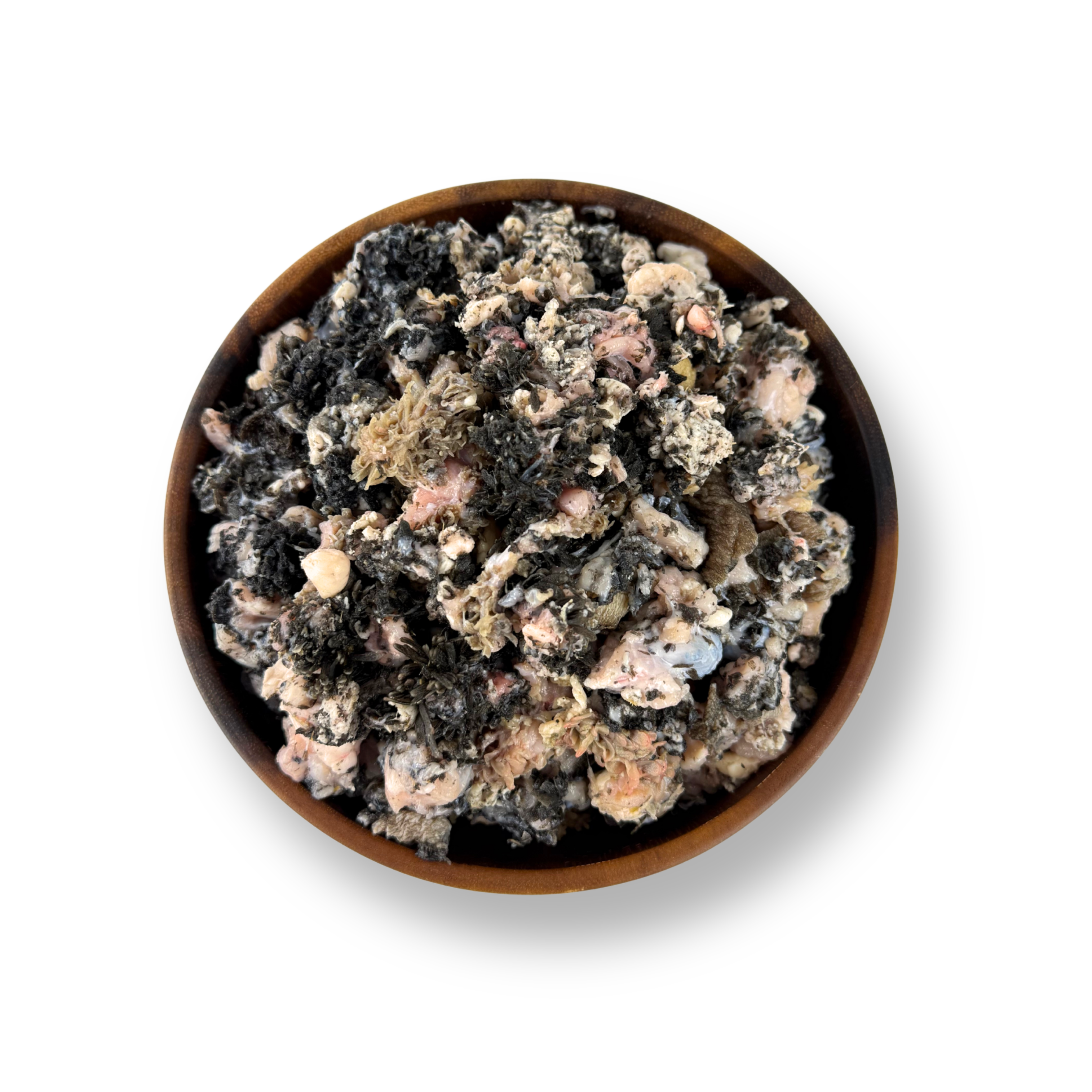
Gentle, highly digestible and rich in natural probiotics and enzymes to support a sensitive gut.
$16.50
Add to cartWhat is pancreatitis in dogs?
The pancreas sits near the stomach and does two big jobs: it makes digestive enzymes and it helps regulate blood sugar. In a healthy dog, those enzymes stay inactive until they reach the gut. In pancreatitis, they activate too soon and begin to digest the pancreas itself, causing inflammation, pain and sometimes vomiting and loss of appetite. Those flare-up signs can look like a simple upset stomach or a bout of diarrhea at first, which is one reason a proper veterinary diagnosis matters. It can be acute, coming on suddenly and severely, or chronic, simmering at a low level over months and flaring now and then.
The exact cause is not always clear, but a high-fat meal is a well-known trigger, especially a sudden one like fatty table scraps. That is the link that makes diet the centre of both recovery and long-term management.
Why does a low-fat diet matter for pancreatitis?
Fat is the macronutrient that asks the most of the pancreas. Digesting it calls on pancreatic enzymes, so a heavy, greasy meal makes an already inflamed pancreas labour harder, which can trigger or worsen a flare. Lowering the grease load eases that workload and gives the pancreas a chance to settle. This is why vets reach for a low-fat diet first, usually targeting somewhere around 10 to 15% fat on a dry matter basis, though your vet will set the right number for your dog.
Just as important is what low fat should not mean. Many prescription dry foods drop the fat but replace it with a large amount of starch and grain, which is its own compromise for a carnivore. The smarter goal is low fat alongside lean, high-quality, digestible protein, not low fat swapped for a bag of cheap carbohydrate.
Which raw foods are safe for a dog with pancreatitis?
Here is the honest part, and it is the thing many raw brands gloss over: not every raw food is appropriate for a dog with pancreatitis. Some raw diets are naturally high in fat, sometimes higher than owners realise, and those are exactly wrong for a pancreatitis-prone dog. The answer is not raw or not raw, it is choosing the lean options and verifying the fat content with your vet.
The naturally leaner proteins are where to look:
- Emu. RogueRaw's emu is naturally low in fat, and their own product information names it as a suitable option for dogs with conditions such as pancreatitis. It is a clean, lean, hypoallergenic novel protein, which makes it a natural starting point to discuss with your vet.
- Venison. Wild venison has a clean, low-fat profile and is hypoallergenic, so it is another lean, digestible choice.
- Rabbit. Rabbit is one of the leanest proteins available, low in fat and easy to digest.
- Sardines and other lean fish. Oily fish like sardines are a useful source of omega-3, which supports a natural anti-inflammatory response, fed in modest amounts as part of a balanced low-fat plan.
Just as useful is knowing what to leave out. Fatty cuts, rich red meats, skin-on poultry, marrow bones and rich, oily organs are best avoided for a pancreatitis-prone dog. When in doubt, leaner and simpler is safer.
Acute versus chronic pancreatitis: how feeding differs
The two forms need different handling, and it helps to know which you are dealing with.
Acute pancreatitis is a sudden, often severe flare. These dogs are usually treated by the vet, sometimes in hospital, with fluids, pain relief and anti-nausea care, and food is reintroduced slowly under guidance, starting with small amounts of low-fat, highly digestible food once they are ready. This is not a stage to manage alone at home.
Chronic pancreatitis is the long game. Many of these dogs do well on a carefully chosen low-fat diet for life, which keeps flares to a minimum. This is where a lean, low-fat raw diet, agreed with your vet, can become part of everyday management, fed in small, regular meals rather than one big bowl.
How do I transition a pancreatitis-prone dog to a leaner diet?
Slow and supervised is the rule. Any diet change for a dog with pancreatitis should be discussed with your vet first, and ideally done while they monitor how your dog responds.
- Get your vet's sign-off. Share the full fat content of any food you are considering so they can judge whether it fits your dog's needs.
- Go gradually. Introduce the new lean food in small amounts mixed with the current diet, increasing over a week or more rather than switching overnight.
- Keep meals small and frequent. Several small meals a day are gentler on the pancreas than one or two large ones.
- Watch closely. Any vomiting, loss of appetite or signs of tummy pain means stop and call your vet.
To explore lean options, you can browse RogueRaw's low-fat emu and other lean proteins in the raw range for dogs, then take the details to your vet.
Frequently asked questions about feeding dogs with pancreatitis
What is the best food for a dog with pancreatitis?
The priority is low fat. Most vets aim for a diet under about 15% fat, built on lean, highly digestible protein. Naturally lean options like emu, venison and rabbit can suit a low-fat raw approach, but fat content varies between raw foods, so always confirm the diet with your vet before changing it.
What fat percentage should a pancreatitis diet be?
Veterinary guidance generally points to a low-fat diet, often in the range of around 10 to 15% fat on a dry matter basis for dogs prone to pancreatitis. Your vet will advise the right target for your dog's severity and history.
Can dogs with pancreatitis eat raw food?
Some can, but not automatically. Not every raw food is low in fat, and some are higher than owners expect. A lean, low-fat raw diet may suit a dog with chronic pancreatitis, but you must share the full fat content with your vet and transition slowly under their guidance.
Which proteins are lowest in fat for pancreatitis?
Lean novel proteins are the gentlest choices. Emu is naturally low in fat, venison has a clean low-fat profile, and rabbit is a recognised lean protein. Fatty cuts and rich red meats are best avoided for a pancreatitis-prone dog.
Is pancreatitis in dogs an emergency?
It can be. Acute pancreatitis can come on suddenly and may need hospital treatment with fluids and pain relief. If your dog is vomiting repeatedly, off their food, lethargic or showing a painful, hunched belly, treat it as urgent and see your vet straight away.
What treats can a dog with pancreatitis have?
Stick to lean, single-ingredient treats and keep portions small. Low-fat options like a lean novel-protein treat or a piece of dried lean meat are far safer than fatty chews, dental sticks or rich commercial treats. RogueRaw's natural single-protein treats include lean, low-fat choices, but always check suitability with your vet and count treats within your dog's daily food.
The bottom line on feeding a dog with pancreatitis
With pancreatitis, low fat is everything. The goal is lean, highly digestible protein in small, regular meals, not a high-fat diet and not lean eating traded for a pile of starch. A lean raw approach built on naturally low-fat proteins like emu and venison can work for many dogs with chronic pancreatitis, but only with your vet's guidance and after checking the fat content. Get the fat right, feed little and often, and work as a team with your vet, and many dogs go on to live comfortable, flare-free lives.
About the RogueRaw Raw Feeding Team
RogueRaw is an Australian raw pet food specialist based in NSW, formulating wild and free-range raw diets for dogs and cats. With over a decade of raw feeding experience and more than 30,000 customers, the team specialises in species-appropriate nutrition, novel and lean proteins, and supporting dogs with sensitive health needs through real, fresh food. Pancreatitis is a serious condition, so always manage your dog's diet together with your vet.