


A dog with a constantly unsettled stomach is exhausting to live with. The vomiting after meals, the gurgling belly, the food they suddenly refuse. Occasional upset is normal, but a stomach that never settles usually has a reason, and the food in the bowl is the first place to look. This is the honest guide to feeding a dog with a sensitive stomach.
By the RogueRaw Raw Feeding Team · Specialists in species-appropriate raw nutrition, trusted by 30,000+ Australian pet owners. This guide is general information, not veterinary advice. Always consult your vet about your dog's stomach.
Most owners meet a dog's upset stomach with a sigh and a bland meal, and for a one-off bout that is fine. But when the tummy trouble keeps coming back, week after week, treating each episode misses the point. The real question is why the stomach is sensitive in the first place. Here is what processed pet food brands skip: ultra-processed kibble, packed with starches and fillers, is one of the most common drivers of chronic digestive upset in dogs. Feeding fresh, highly digestible food works with a dog's system instead of overloading it, and for many dogs that is what finally settles things.
When to see your vet first. Repeated vomiting, blood, lethargy, a swollen or painful belly, or symptoms lasting more than 48 hours need veterinary attention, as do puppies, seniors and unwell dogs. Do not reach for human stomach medicines like antacids or anti-diarrheals either, as many are unsafe for dogs and can make things worse. This article is general guidance, not a substitute for veterinary care.
Quick answer: what is the best food for a dog with a sensitive stomach?
The best food for a dog with a sensitive stomach is a clean, highly digestible diet built on a single lean protein, with no grains, fillers or artificial additives. Lean fresh proteins like venison and emu are gentle and easy to digest, while raw green tripe adds natural probiotics and enzymes that settle the gut. Dogs are not built to process large amounts of starch, so removing processed fillers often resolves ongoing tummy trouble. For a mild bout, rest the stomach and feed small, frequent bland meals, and see your vet if symptoms are severe or last beyond 48 hours.
Real RogueRaw dogs, settled tummies
Martha B. ✓ Verified
04/08/2025
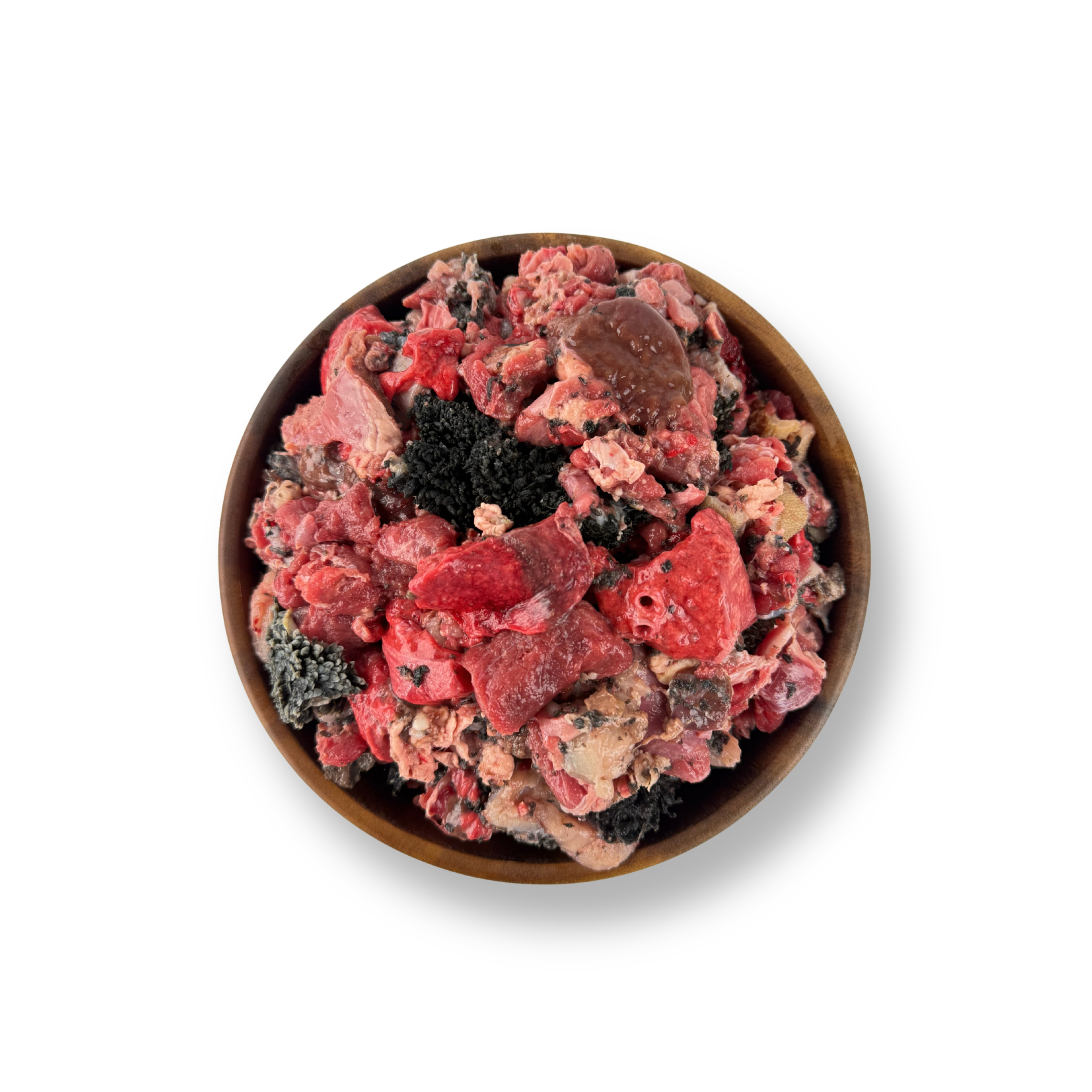
"The Primal Superfood Mix has been a fantastic addition to my staffy's diet, it's helped with his skin and reflux issues. Quality is fantastic, you can see the chunks of everything instead of a mushy paste like other pre-mades. Thanks Rogue Raw from Rocco and I."
Fiona H. ✓ Verified
06/12/2025
"Since Henry started on the Water Buffalo and Wild Deer, his poop is firming up and he's absorbing more of his food. His fur is so much softer too. Finally we've found something that works for his stomach."
Verified buyer ✓ Verified
ProductReview.com.au
"My 10 year old Dobermann has always been raw fed. Excellent quality wild meats that my dog just loves, and the green tripe is a favourite for his digestion. A small family company with a fantastic product."
Gentle food for a sensitive stomach
Lean single proteins and gut-settling tripe. No fillers, 100% Australian. Add straight to your cart.

Why does my dog have a sensitive stomach?
First, some reassurance: a sensitive stomach is often not a serious medical condition. It usually just describes a dog whose digestion is easily upset, often by their food or by something they ate. That said, a stomach that never quite settles is rarely bad luck. There is usually an underlying cause, and pinning it down matters more than managing each flare. The common culprits are:
- An ultra-processed diet. Kibble built around starch and fillers is heavy going for a system designed for fresh meat, and can keep a stomach permanently irritable.
- A food intolerance. A dog can struggle to digest a specific ingredient in their everyday food, leaving them with recurring nausea, gas or loose stools or diarrhea.
- Too much fat. Rich, fatty foods and table scraps can overwhelm a sensitive stomach and trigger vomiting or discomfort.
- Dietary indiscretion. The classic case of a dog raiding the bin or eating something off the ground, a very common one-off cause of a sudden upset.
- Sudden changes. Switching food too quickly, or stress and routine upheaval, commonly unsettles digestion.
If your dog's stomach reacts often on their current food, the food itself is the first thing to examine. A cleaner, gentler diet is where the biggest long-term improvement usually comes from.
What are the signs of a sensitive stomach in dogs?
Sensitive-stomach signs tend to cluster and recur. Watch for:
- Vomiting or regurgitation, especially after meals, or acid reflux and lip-licking
- A frequently gurgling, rumbling belly
- Loose, soft or inconsistent stools and excess gas
- A fussy, unpredictable appetite, or refusing food they previously ate
- Eating grass often, and seeming uncomfortable after eating
One-off symptoms are normal. The same signs returning week after week point to a stomach that is not coping with the diet.
What can I feed my dog to settle their stomach?
For a mild bout in an otherwise healthy adult dog, the aim is to rest the stomach, then reintroduce food gently:
- Brief rest from food. A short period without food, with water always available, lets an adult dog's stomach settle. Do not fast puppies, seniors or unwell dogs, and check with your vet.
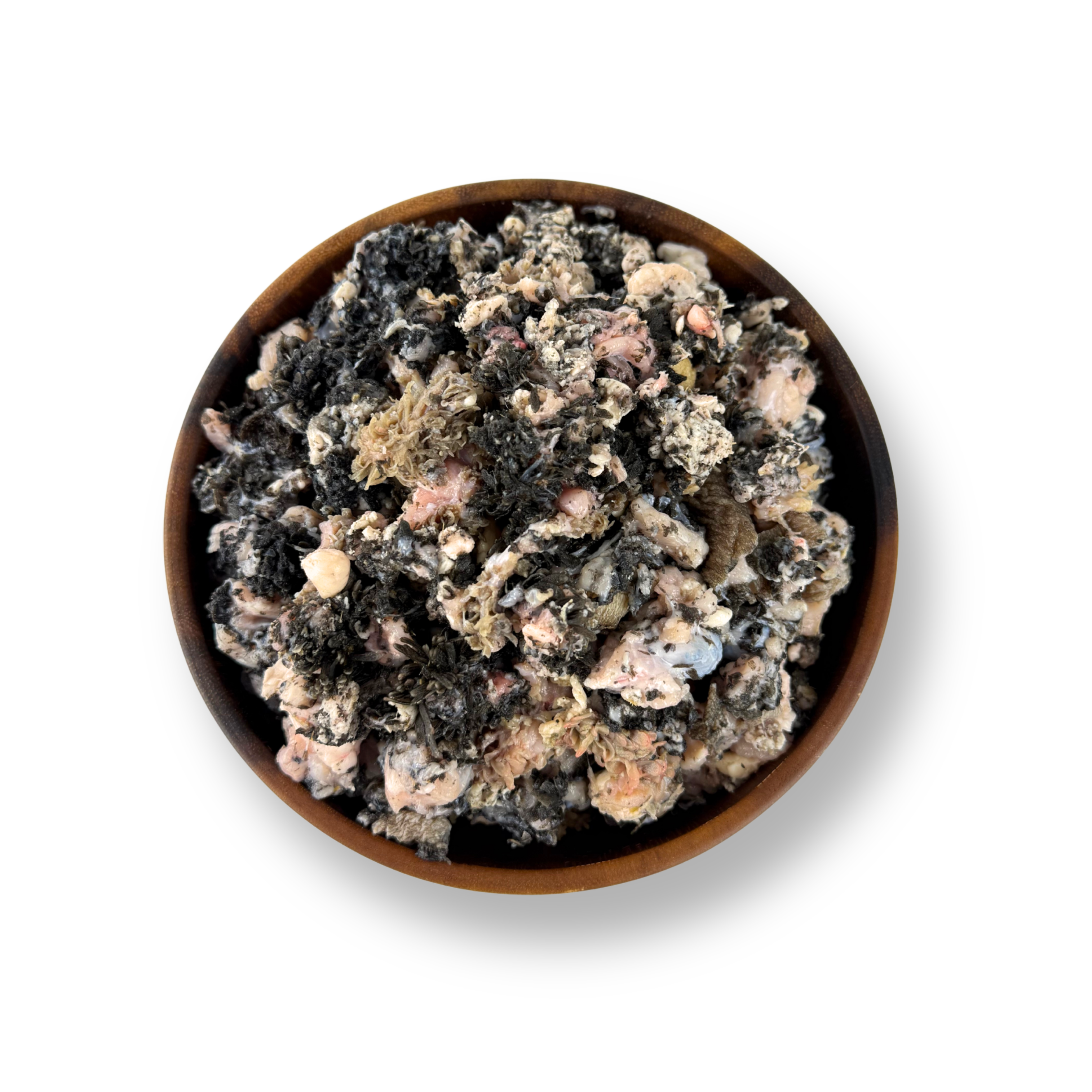
- Lead with green tripe. Raw green tripe is one of the gentlest, most settling things to reintroduce. It is highly palatable, easy to digest and naturally rich in the probiotics and enzymes that help calm and rebalance an irritated gut.
- Small, frequent meals. Reintroduce a small amount of gentle, easily digestible food, then several small meals through the day rather than one large bowl.
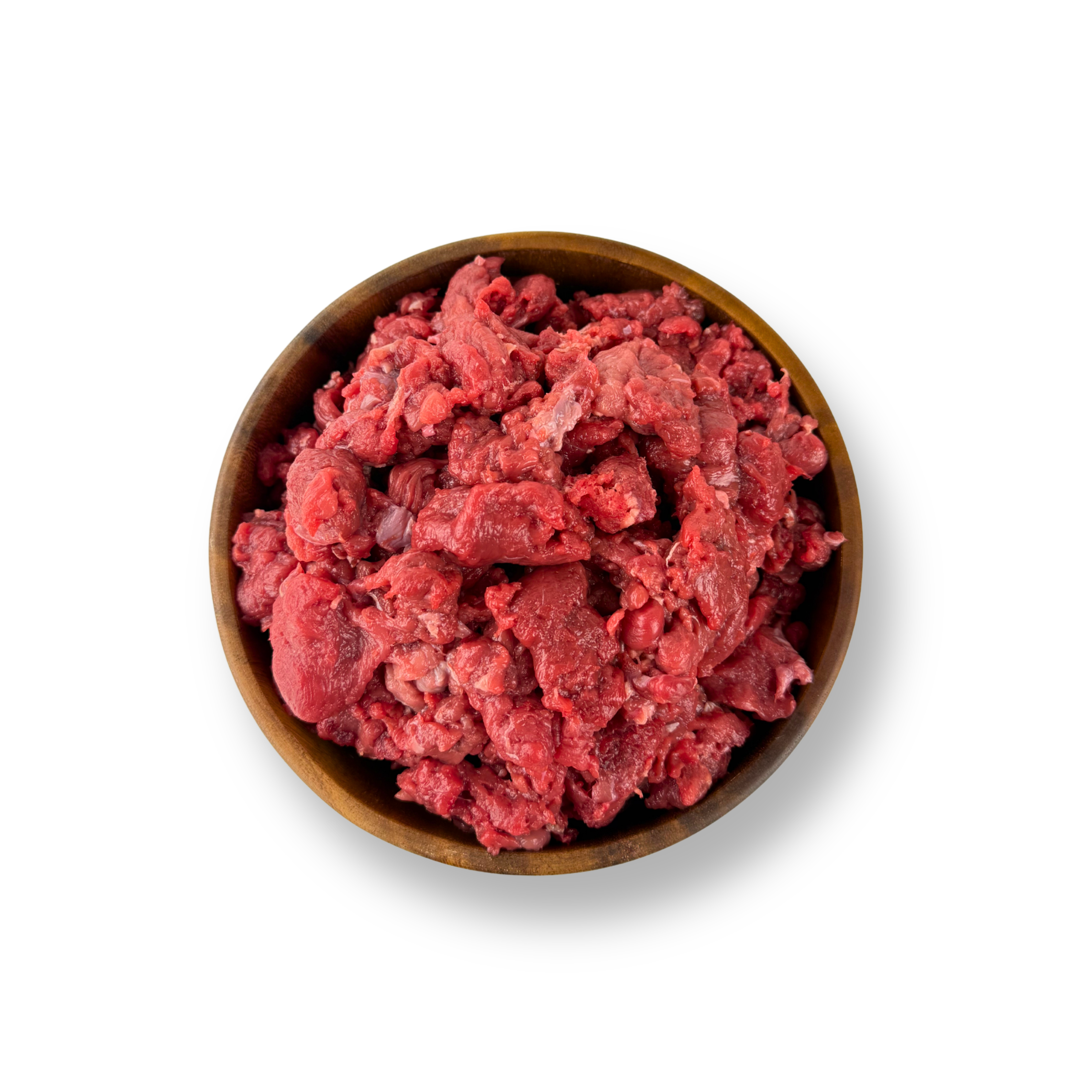
- Keep it lean and simple. A single lean, digestible protein is ideal. Lean options like venison or emu are low in fat and unlikely to trigger a sensitive stomach, which makes them a calm starting point.
- Build back slowly. As the stomach settles, return to a normal diet over several days rather than all at once.
If a bout is severe or lasts more than 48 hours, stop home care and see your vet. To settle a sensitive gut, start with RogueRaw's raw green tripe.
Why does processed food upset a dog's stomach?
Here is what the bag will not say. Most dry food is built around starches and grains because they are cheap and bind kibble together, yet dogs do not produce salivary amylase and are not designed to digest large amounts of carbohydrate. High-heat processing also strips out the natural enzymes that aid digestion, and cheap fillers can feed the wrong gut bacteria and unbalance the microbiome, the foundation of good canine gut health. For a sensitive dog, that combination is a recipe for ongoing nausea, gas and loose stools. You can medicate the symptoms, but you are working against the bowl the whole time.
How does raw food help a dog with a sensitive stomach?
A clean raw diet works with a dog's digestion rather than against it, which is what owners describe when they mention settled tummies and less reflux after switching.
- It is highly digestible. Fresh, species-appropriate protein is what a dog's gut is built to process, so more is absorbed and less irritates the stomach.
- Green tripe settles the gut. Raw green tripe brings the probiotics and enzymes a sensitive or recovering stomach needs.
- It removes the triggers. No grains, no starchy fillers, no synthetic additives feeding the wrong bacteria.
- A single lean protein simplifies everything. One clean, gentle protein removes the common triggers and the guesswork, which is ideal for a fussy or reactive dog.
This is the gap RogueRaw was built to fill: real, fresh, ethically sourced raw nutrition that supports digestion rather than overloading it. You can browse the full raw range for dogs or start with raw green tripe, the gentlest place to begin.
How do I switch a dog with a sensitive stomach to raw?
A sensitive gut needs a slow, careful transition. Wait until any acute upset has fully resolved, then:
- Start with one lean, gentle protein such as venison or emu, with nothing else in the bowl.
- Transition over seven to ten days, slowly increasing raw and decreasing the old food so the stomach can adjust.
- Add green tripe early to give the gut the probiotics and enzymes it needs to settle.
- Watch the response. Less reflux, firmer stools and steadier appetite are the signs it is working. If things unsettle, slow down.
- Introduce variety once stable, to keep the gut diverse and resilient.
RogueRaw's transition and meal packs are built to be fed in sequence to make the switch smooth on a sensitive stomach.
Frequently asked questions about dogs with sensitive stomachs
How do I settle my dog's upset stomach?
For a mild upset in a healthy adult dog, rest the gut briefly, then offer small, frequent meals of a bland, easily digestible food until the stomach settles. Green tripe is gentle and supportive here. See your vet if symptoms are severe or last more than 48 hours.
Why does my dog have a sensitive stomach?
Ongoing tummy trouble is often driven by an ultra-processed diet full of starch and fillers that a dog is not built to digest, or by an intolerance to an ingredient in their everyday food. A clean, highly digestible diet usually helps.
Is raw food good for a dog with a sensitive stomach?
For many dogs, yes. A clean raw diet with a single lean protein and no fillers is highly digestible and removes common triggers. Transition slowly over seven to ten days and add green tripe to support the gut.
What is the most easily digestible food for dogs?
Lean, single, fresh proteins like venison and emu are among the most digestible, since they are low in fat and free of fillers. Green tripe adds natural enzymes and probiotics that further aid digestion.
Can stress cause an upset stomach in dogs?
Yes, stress and sudden routine or diet changes can upset a dog's stomach. Keeping the diet consistent, clean and easy to digest helps, and a gradual transition avoids triggering further upset.
Is green tripe good for a dog with an upset stomach?
Yes. Raw green tripe is gentle, highly palatable and naturally rich in probiotics and digestive enzymes, which makes it one of the best foods to settle a sensitive or recovering stomach. It can be fed on its own or as a topper alongside a lean protein.
The bottom line on feeding a dog with a sensitive stomach
A one-off upset usually settles with a short rest and gentle meals. But if your dog's stomach is constantly unsettled, the everyday food is almost always the reason. Ultra-processed kibble, full of starch and stripped of enzymes, keeps many sensitive stomachs permanently irritable. The long-term fix is a clean, highly digestible raw diet built on a single lean protein, with green tripe to settle the gut. Get the diet right and the daily tummy trouble usually fades. And always see your vet if a bout is severe or lasts more than 48 hours.
About the RogueRaw Raw Feeding Team
RogueRaw is an Australian raw pet food specialist based in NSW, formulating wild and free-range raw diets for dogs and cats. With over a decade of raw feeding experience and more than 30,000 customers, the team specialises in species-appropriate nutrition and supporting dogs with digestive, skin and joint conditions through real, fresh food. Always work with your vet on your dog's individual health.