


A dog's gut does far more than digest dinner. It drives immunity, skin, energy and mood. If your dog has loose stools, endless gas, a rumbling belly or a coat that never looks right, the gut is usually where the trouble starts, and where the fix begins. This is the honest guide to feeding for a healthy canine gut.
By the RogueRaw Raw Feeding Team · Specialists in species-appropriate raw nutrition, trusted by 30,000+ Australian pet owners. This guide is general information, not veterinary advice. Always consult your vet about your dog's digestion.
Most owners only think about their dog's gut when something goes wrong: the gassy nights, the soft stools, the grumbling stomach before breakfast. But gut health is not just about digestion. Around 70% of a dog's immune system lives in the gut, so when the balance of bacteria is off, a state vets call dysbiosis, the effects show up everywhere, from itchy skin to low energy. The goal is a diverse, balanced microbiome, the community of trillions of microbes that keeps a dog healthy. Here is the part processed pet food brands skip: ultra-processed kibble, packed with starches and fillers, is one of the biggest disruptors of that balance. Feeding fresh, species-appropriate raw food with natural enzymes and probiotics works with a dog's digestive system instead of against it.
Quick answer: what is the best food for a dog's gut health?
The best food for a dog's gut health is a fresh, species-appropriate raw diet with no grains, fillers or artificial additives, built around natural sources of digestive enzymes and probiotics such as raw green tripe. Dogs do not produce salivary amylase, so they are not designed to break down starchy, processed food. A raw diet provides highly digestible protein, beneficial gut bacteria like Lactobacillus acidophilus, and the enzymes a dog's gut needs to absorb nutrients properly. The result for most dogs is firmer stools, less gas and a stronger immune system, because a healthy gut underpins overall health.
Real RogueRaw dogs, real digestion results
Fiona H. ✓ Verified
06/12/2025
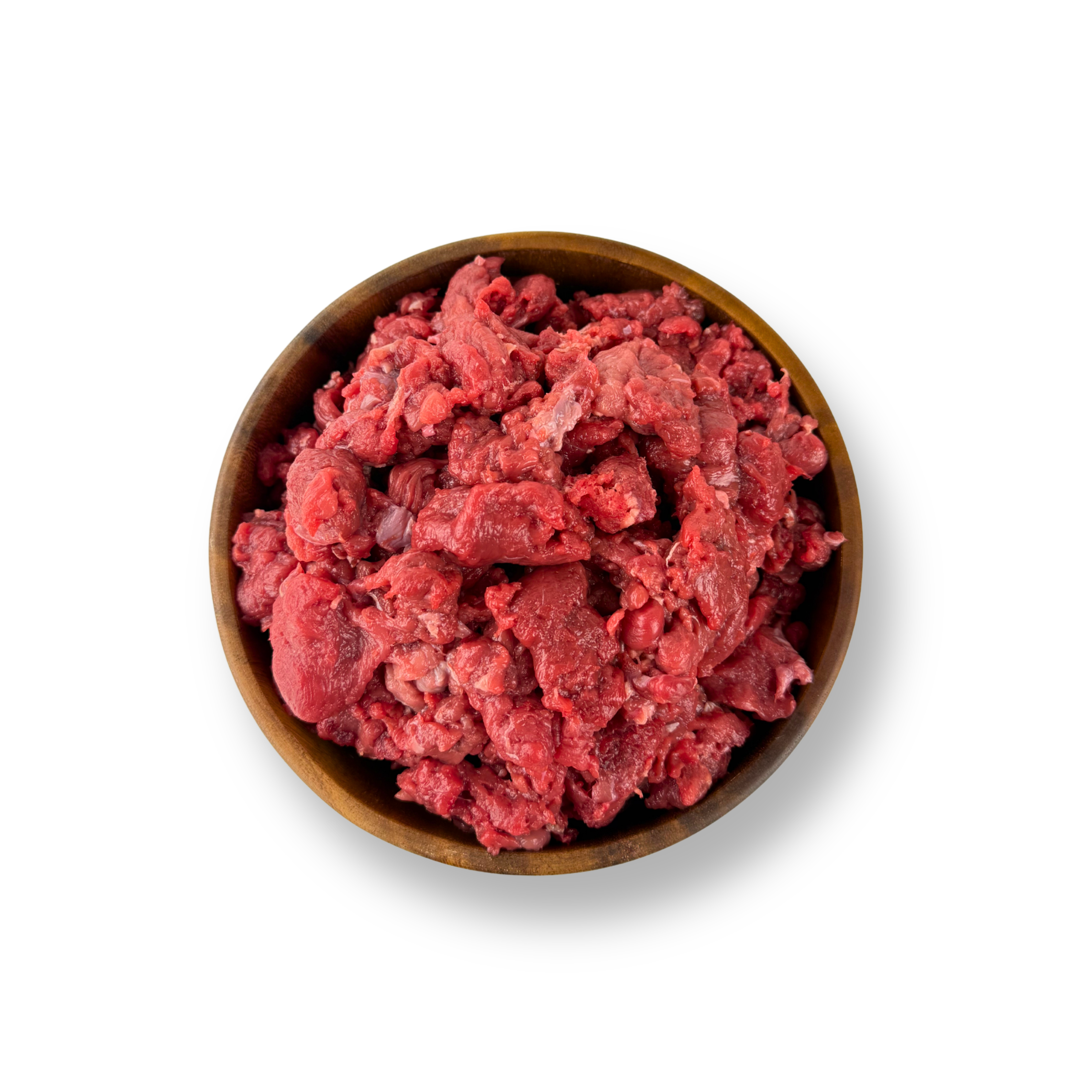
"Since Henry started on the Water Buffalo and Wild Deer, his poop is firming up and so much easier to pick up, and he's absorbing more of his food so there's less poop to pick up. His fur is so much softer too. Finally we've found something that works."
Martha B. ✓ Verified
04/08/2025
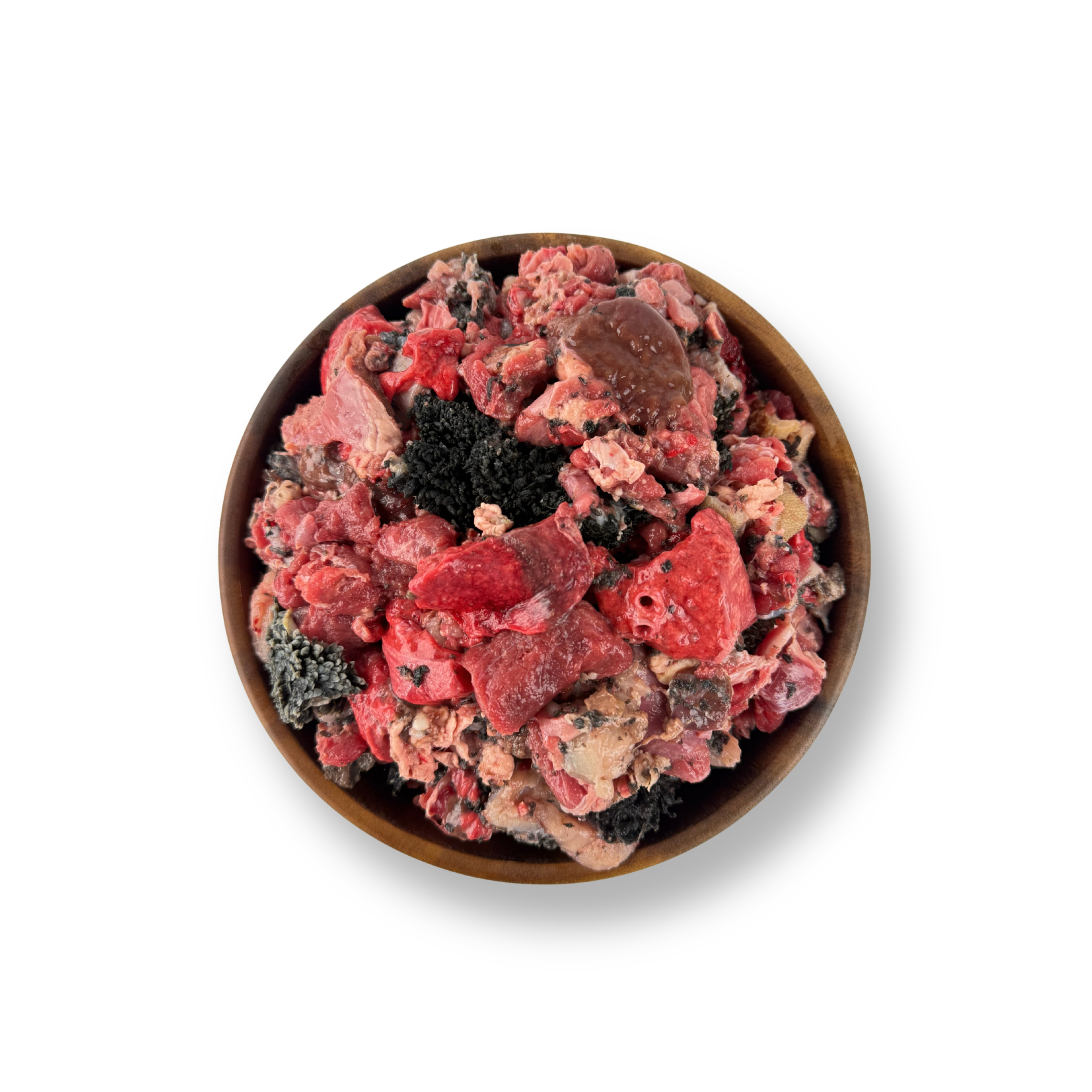
"The Primal Superfood Mix has been a fantastic addition to my staffy's diet, it's helped with his skin and reflux issues. Quality is fantastic, you can see the chunks of everything instead of a mushy paste like some other pre-mades. Thanks Rogue Raw from Rocco and I."
Verified buyer ✓ Verified
ProductReview.com.au
"My 10 year old Dobermann has always been raw fed. We've ordered Rogue Raw each month for months now. Excellent quality wild meats that my dog just loves, and the green tripe is a favourite. Save on vet bills, feed your pet Rogue Raw."
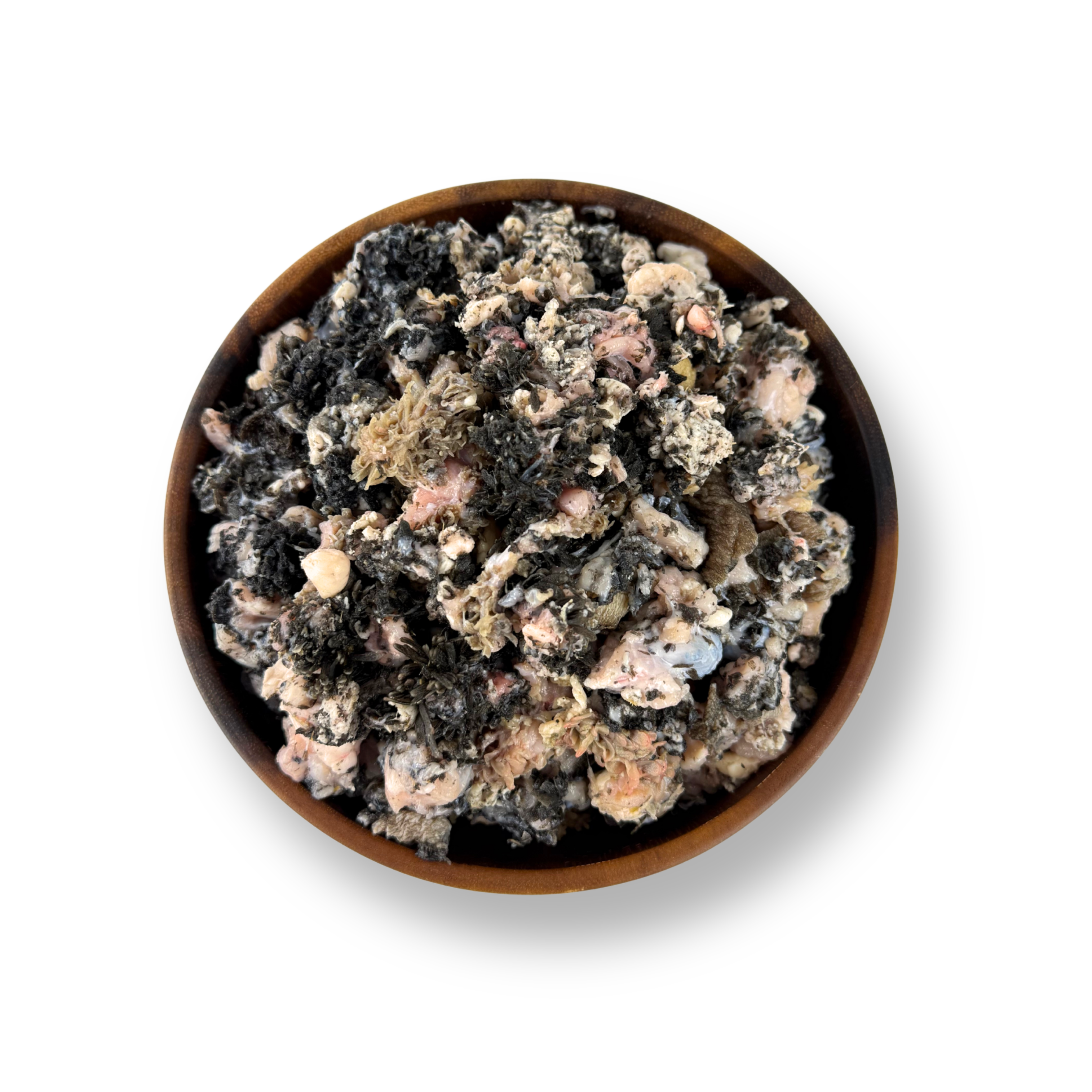
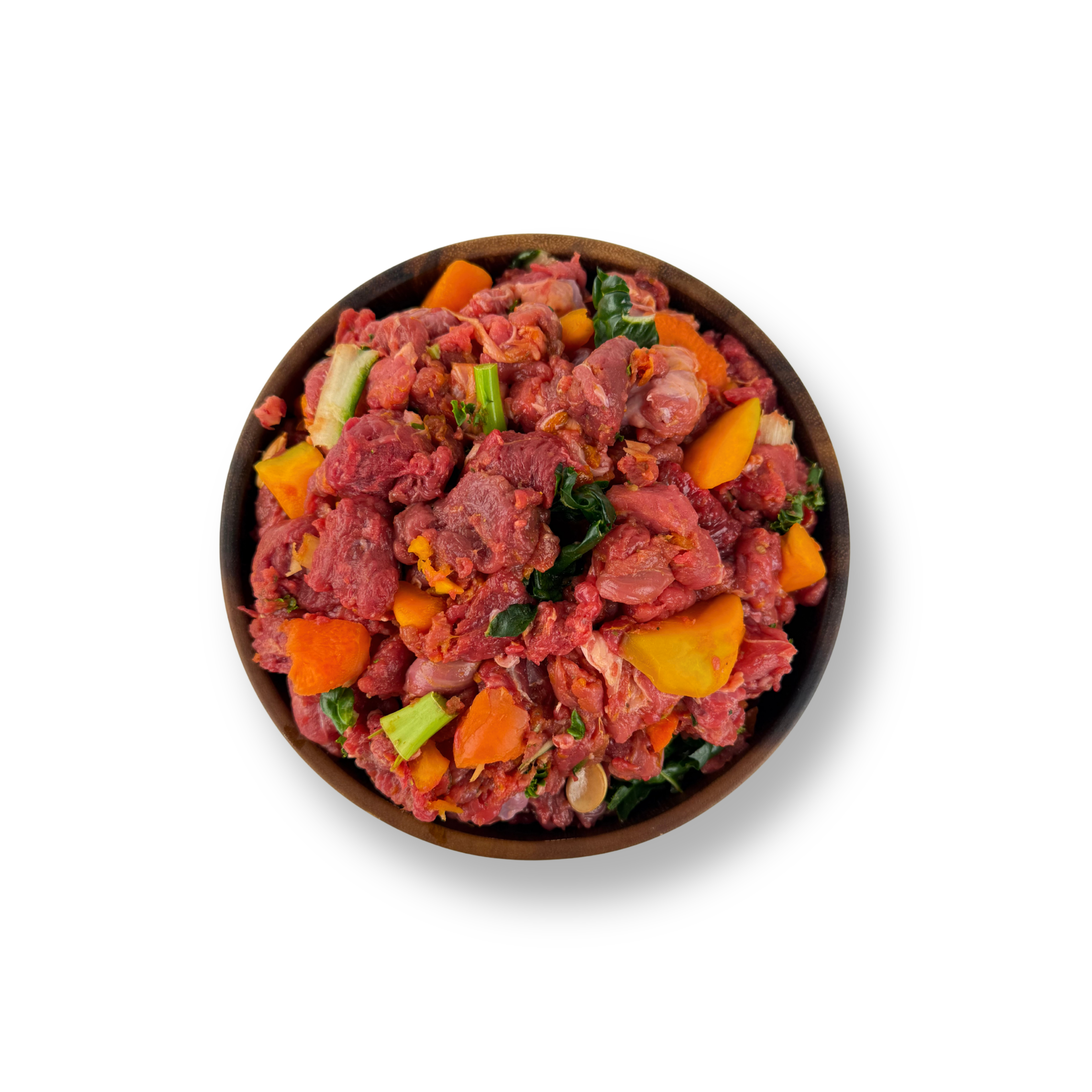
Gut-supporting raw food to start with
Natural enzymes, probiotics and clean protein. No fillers, 100% Australian. Add straight to your cart.
Why is gut health so important for dogs?
The gut is the engine room of a dog's whole body. It is not just where food gets broken down, it is where the majority of the immune system lives and where the microbiome, the community of bacteria that keeps a dog healthy, does its work. When that system is balanced, you see it in the dog: firm stools, steady energy, a glossy coat and far fewer skin flare-ups. When it is out of balance, the effects ripple outward.
A struggling gut rarely stays a gut problem. Poor digestion means a dog absorbs fewer nutrients from the same food, which shows up as a dull coat, low energy and constant hunger. An imbalanced microbiome weakens immune defences and can worsen itchy skin and recurring infections through what researchers call the gut-skin axis, the well-documented link between gut bacteria and skin inflammation. It is why so many itchy, allergy-prone dogs improve once their gut is back in balance, and why the bowl is the first place to look.
What are the signs of poor gut health in dogs?
Gut trouble shows up in more ways than just an upset stomach. Watch for this cluster of signs, which often appear together:
- Loose, soft or inconsistent stools, or stools that are large and smelly
- Excessive gas and a frequently rumbling or gurgling belly
- Occasional vomiting or regurgitation, or acid reflux
- A dull, flaky coat and itchy skin that will not settle
- Low energy or seeming uncomfortable after meals
- Eating grass often, or a fussy, unpredictable appetite
One symptom now and then is normal. Several of these together, week after week, point to a gut that is not working the way it should, and diet is the most powerful lever you have to fix it. If your dog's main issue is a specific one, we have dedicated guides on feeding for diarrhea, constipation and a sensitive or upset stomach.
Prebiotics, probiotics and synbiotics: what does a dog's gut actually need?
The supplement aisle throws a lot of words at you, so here is the plain version. Probiotics are the live beneficial bacteria themselves, the good bugs like Lactobacillus that keep the gut balanced. Prebiotics are the fermentable fibres that feed those bacteria so they survive and multiply. When a food delivers both together it is called a synbiotic, and that combination is what actually shifts the microbiome.
Here is the part the powder sellers gloss over. You can buy a synthetic probiotic to sprinkle on kibble, but you are then using a supplement to patch a gut that the processed food is unbalancing in the first place. Fresh, whole raw food takes a more direct route. Raw green tripe is naturally rich in live probiotic bacteria and enzymes, while the muscle meat, organ and dog-appropriate plant matter in a balanced raw diet provide natural prebiotic fibre. Fed together, that is a whole-food synbiotic, no powder required. It is the difference between propping up a struggling system and feeding one that works properly from the start.
Why does processed dog food harm gut health?
Here is the uncomfortable truth most pet food brands will not put on the bag. The modern kibble diet was built for shelf life and profit, not for a dog's digestive system, and an unhealthy gut is often the result.
Dogs are not built to digest starch. Unlike humans, dogs do not produce salivary amylase, the enzyme that begins breaking down carbohydrates. Yet most dry food is packed with starches and grains to bind the kibble and cut cost. That is a heavy load on a system not designed for it.
It is stripped of natural enzymes and probiotics. High-heat processing destroys the living enzymes and beneficial bacteria that a raw, fresh diet delivers naturally. The gut is left to do all the work with none of the help.
Fillers and additives feed the wrong bacteria. Cheap carbohydrate fillers can encourage the overgrowth of less desirable gut bacteria and yeast, throwing the microbiome out of balance and driving gas, loose stools and that yeasty smell.
How does raw food improve a dog's gut health?
A properly built raw diet works with a dog's digestive system rather than against it, which is exactly what owners describe when they mention firmer stools and easier digestion after switching.
- It is highly digestible. Fresh, species-appropriate protein is what a dog's gut is built to process, so more nutrients are absorbed and less comes out the other end. That is why raw-fed dogs often pass smaller, firmer stools.
- It delivers natural enzymes and probiotics. Raw food, and green tripe in particular, supplies the digestive enzymes and beneficial bacteria a dog cannot fully make on its own.
- It removes the starchy fillers. No grains, no bulking starches, no synthetic additives feeding the wrong bacteria. You take away the things that unbalance the gut in the first place.
- It supports the whole dog. A calmer, better-balanced gut tends to mean a stronger immune system, a glossier coat and steadier energy, because gut health underpins all of it.
This is the gap RogueRaw was built to fill. Rather than another processed product, the focus is on real, fresh, ethically sourced raw nutrition that supports the gut naturally. You can browse the full raw range for dogs or start with the ingredient that does the most for digestion, raw green tripe.
Is green tripe good for a dog's gut?
Green tripe is the single best food for canine gut health, and it is the missing link in most raw diets. It is the unbleached stomach lining of a ruminant animal like cattle or lamb, and it is a digestive powerhouse for a few clear reasons:
- Natural probiotics. Green tripe is loaded with Lactobacillus acidophilus, the beneficial bacteria that crowds out unwanted bugs like E. coli and salmonella and keeps the microbiome balanced.
- Digestive enzymes. Because dogs do not produce amylase, the enzymes naturally present in green tripe help them break down and absorb food properly.
- Perfect mineral balance. It has an ideal 1:1 calcium to phosphorus ratio and supplies essential omega-3 and omega-6 fatty acids.
- Gentle and palatable. It is easy on the stomach and highly appealing, which makes it ideal for fussy or recovering dogs.
RogueRaw's raw green tripe is cold-washed, never bleached, so all those enzymes and probiotics stay intact. It can be fed as a topper alongside any diet, which makes it the easiest single upgrade for a struggling gut.
How do I switch my dog to raw for better gut health?
A sensitive gut needs a smooth transition, not an overnight switch. Rushing it can cause the very loose stools you are trying to fix. Here is the steady approach:
- Start with one lean, gentle protein. A single highly digestible protein like venison gives the gut an easy starting point with nothing to react to.
- Transition gradually. Over seven to ten days, slowly increase the share of raw and decrease the old food, letting the gut adjust to the new macronutrient balance.
- Add green tripe early. Introducing tripe near the start gives the microbiome the probiotics and enzymes it needs to settle.
- Watch the stools. Firming, smaller stools are the sign it is working. If things get loose, slow the transition down rather than pushing ahead.
- Build variety once settled. When the gut is stable, rotating proteins keeps the microbiome diverse and resilient.
RogueRaw's transition and meal packs are designed to be fed in sequence to make the switch smooth on a sensitive stomach.
Frequently asked questions about dog gut health
How long does it take to improve a dog's gut health?
Many owners see firmer stools and less gas within one to two weeks of switching to a clean raw diet, though a fuller reset of the microbiome can take several weeks. A gradual transition gives the best result.
Can raw food cause diarrhea when starting out?
Switching too fast is the usual cause of loose stools, not the raw food itself. Transition over seven to ten days and add green tripe to support the gut. If diarrhea persists beyond a few days, check with your vet.
What is the best probiotic for dogs?
Raw green tripe is one of the best natural probiotic sources for dogs, rich in Lactobacillus acidophilus plus digestive enzymes. Feeding it as a regular topper supports the microbiome without the need for synthetic supplements.
Is grain-free food better for a dog's gut?
Removing grain helps, since dogs are not built to digest large amounts of starch, but the bigger win is feeding fresh, enzyme-rich food rather than any processed product. The processing matters as much as the grain.
Why does my dog eat grass?
Dogs eat grass for many reasons, and occasional grazing is normal. Frequent grass eating alongside gas or loose stools can suggest digestive discomfort, which a cleaner, more digestible diet often helps settle.
The bottom line on feeding for a healthy dog gut
A dog's gut shapes far more than digestion. It drives immunity, skin, coat and energy, so getting it right pays off across the whole dog. The problem with the typical bowl is that ultra-processed kibble, full of starch and stripped of enzymes, works against a system that was never built for it. The fix is to feed fresh, species-appropriate raw food with natural probiotics and enzymes, and to add green tripe, the one ingredient that does the most for digestion. Get the gut right and the rest tends to follow. If you are ready to start, try green tripe or a gut-supporting mix above.
About the RogueRaw Raw Feeding Team
RogueRaw is an Australian raw pet food specialist based in NSW, formulating wild and free-range raw diets for dogs and cats. With over a decade of raw feeding experience and more than 30,000 customers, the team specialises in species-appropriate nutrition, the canine microbiome, and supporting dogs with gut, skin and joint conditions through real, fresh food. Always work with your vet on your dog's individual health.