


A constipated dog is an uncomfortable dog. The straining, the pacing, the hard little stools or nothing at all. Occasional constipation is common and usually easy to ease, but recurring trouble points back to the diet, and specifically to how much moisture and balance is in the bowl. This is the honest guide to feeding a dog with constipation.
By the RogueRaw Raw Feeding Team · Specialists in species-appropriate raw nutrition, trusted by 30,000+ Australian pet owners. This guide is general information, not veterinary advice. Constipation can be serious, so always consult your vet.
Most owners do not think about their dog's stools until something changes, and then constipation gets your full attention fast. A one-off bout often clears with more water and a gentle meal. But a dog that is regularly bunged up usually has a dietary reason. Here is what processed pet food brands skip: dry kibble contains very little moisture, so it leans heavily on a dog drinking enough to stay regular. A fresh, moisture-rich diet supports comfortable, regular stools far more naturally, as long as it is properly balanced.
When to see your vet. Constipation can be more serious than it looks, and vets consider a badly constipated dog a potential emergency. A dog that passes no stool at all has a condition called obstipation, which always needs veterinary care. See your vet if your dog has not passed stool for more than 48 hours, is straining without producing anything, seems in pain, or is vomiting or lethargic. Do not wait it out if your dog is distressed.
Quick answer: what should I feed a dog with constipation?
For a constipated dog, the priority is moisture and gentle, digestible food. Ensure plenty of fresh water, add moisture to meals, and feed a fresh, highly digestible diet rather than dry kibble. Raw green tripe is particularly helpful, since it aids digestion and adds moisture and natural fibre. A moisture-rich raw diet supports regular, comfortable stools, but balance matters: too much bone firms stools excessively, so the diet needs adequate meat, organ and moisture. If your dog has not passed stool for more than a day or two, is straining or seems in pain, see your vet, as constipation can signal a blockage.
Real RogueRaw dogs, healthy digestion
Fiona H. ✓ Verified
06/12/2025
"Since Henry started on the Water Buffalo and Wild Deer, his poop is firming up and he's absorbing more of his food. Everything about his digestion has improved. Finally we've found something that works."
Verified buyer ✓ Verified
ProductReview.com.au
"My 10 year old Dobermann has always been raw fed. Excellent quality wild meats and the green tripe is a favourite for his digestion. Save on vet bills, feed your pet Rogue Raw."
Martha B. ✓ Verified
04/08/2025
"The Primal Superfood Mix has helped with my staffy's skin and reflux. Quality is fantastic, you can see the chunks of everything instead of a mushy paste like other pre-mades. Thanks Rogue Raw from Rocco and I."
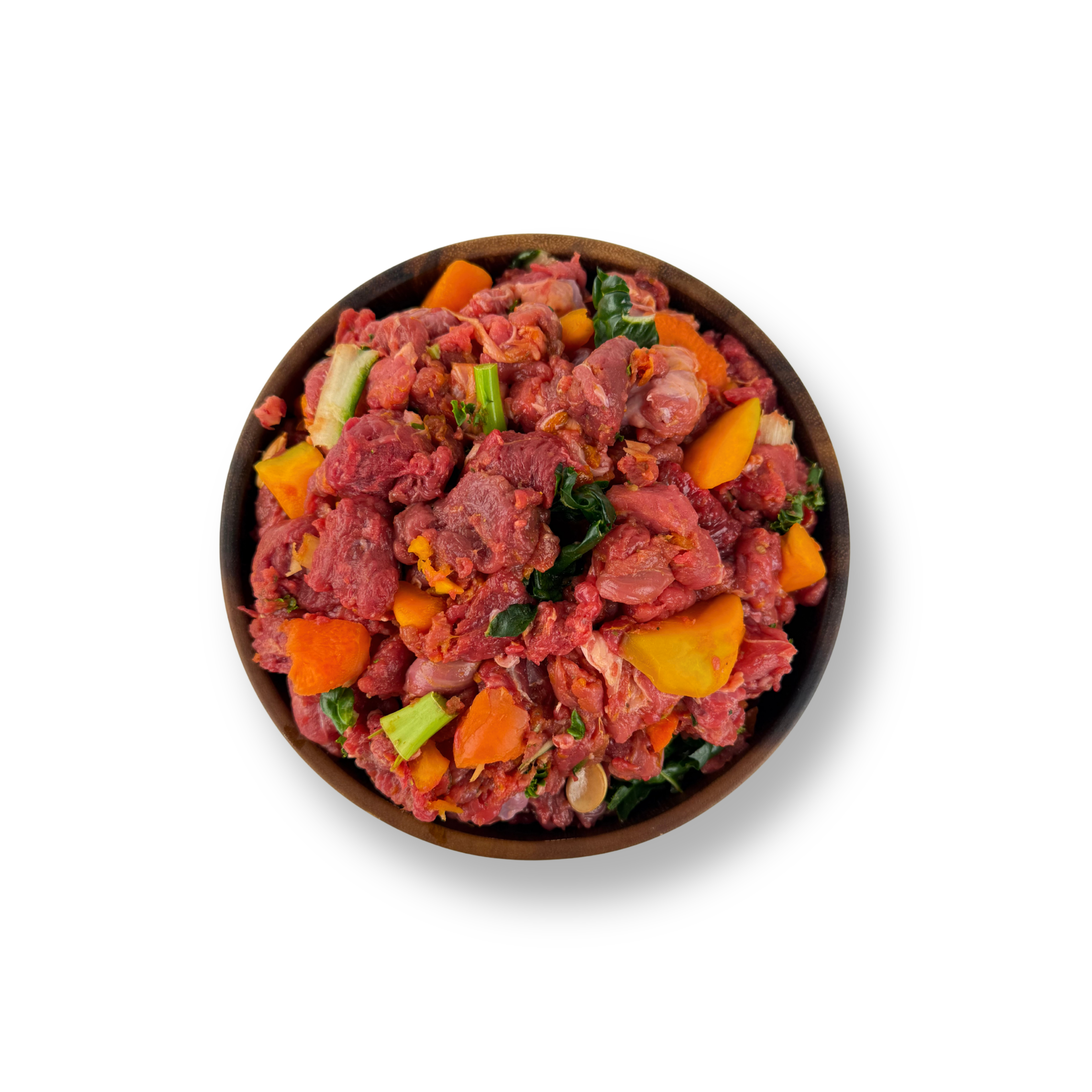
Moisture-rich, gut-supporting raw food
Natural moisture, enzymes and balanced nutrition. No fillers, 100% Australian. Add straight to your cart.
Why is my dog constipated?
A one-off bout of constipation is common, but a dog that is repeatedly blocked up usually has an underlying reason. The most common causes are:
- Not enough moisture. This is the big one. Dry kibble contains very little water, so a kibble-fed dog who does not drink enough easily becomes constipated.
- Low or poor-quality fibre. The wrong fibre balance can slow things down rather than keep them moving.
- Too much bone. In raw-fed dogs, excess bone is a frequent cause of hard, dry, chalky stools. Balance is everything.
- Low activity or dehydration. Movement helps the gut move, and dehydration hardens stools. Older and less active dogs are more prone.
If your dog is regularly constipated on their current food, the diet, and especially its moisture content, is the first thing to look at.
What are the signs of constipation in dogs?
Constipation is usually easy to spot once you know the signs:
- Straining or squatting repeatedly with little or no result
- Hard, dry, small stools, sometimes chalky and pale
- Going longer than usual between bowel movements
- Discomfort, pacing or crying when trying to go
- Reduced appetite or a hard, tender belly in more serious cases
Mild, occasional constipation can often be eased at home. But straining with no result, or no stool for more than a day or two, needs a vet, since it can point to a blockage.
When is constipation in dogs serious?
Most constipation is mild and passes, but it sits on a spectrum, and the serious end is worth understanding because it is what makes the 48-hour rule matter. Vets use a few specific terms:
- Constipation is infrequent, difficult or painful passing of hard, dry stools. Uncomfortable, usually manageable.
- Obstipation is when a dog cannot pass any stool at all. The colon becomes packed with hard, dry faeces, and this always needs veterinary treatment, often an enema given by the vet.
- Megacolon is the danger at the far end. Repeated or prolonged obstipation can stretch the colon until its muscles weaken and can no longer push stool through. It is the reason chronic constipation should never just be left to run, and in severe cases it needs ongoing medical management or even surgery.
You do not need to memorise the terms. The takeaway is simple: a dog straining with nothing to show for it, or going more than 48 hours without a bowel movement, is not something to wait out. It can escalate, so call your vet.
What can I feed a constipated dog to get things moving?
The two things a backed-up gut needs most are moisture and gentle, natural fibre, and the RogueRaw approach delivers both through food rather than additives:
- Boost the moisture. Since the colon hardens stool by pulling water out of it, getting more water in is the single most important step. Fresh raw food is naturally around 70% water, far more than dry kibble, so simply feeding raw, or adding a moisture-rich raw meal or topper, helps soften stool from the inside. Keep fresh water available too, and offer multiple bowls.
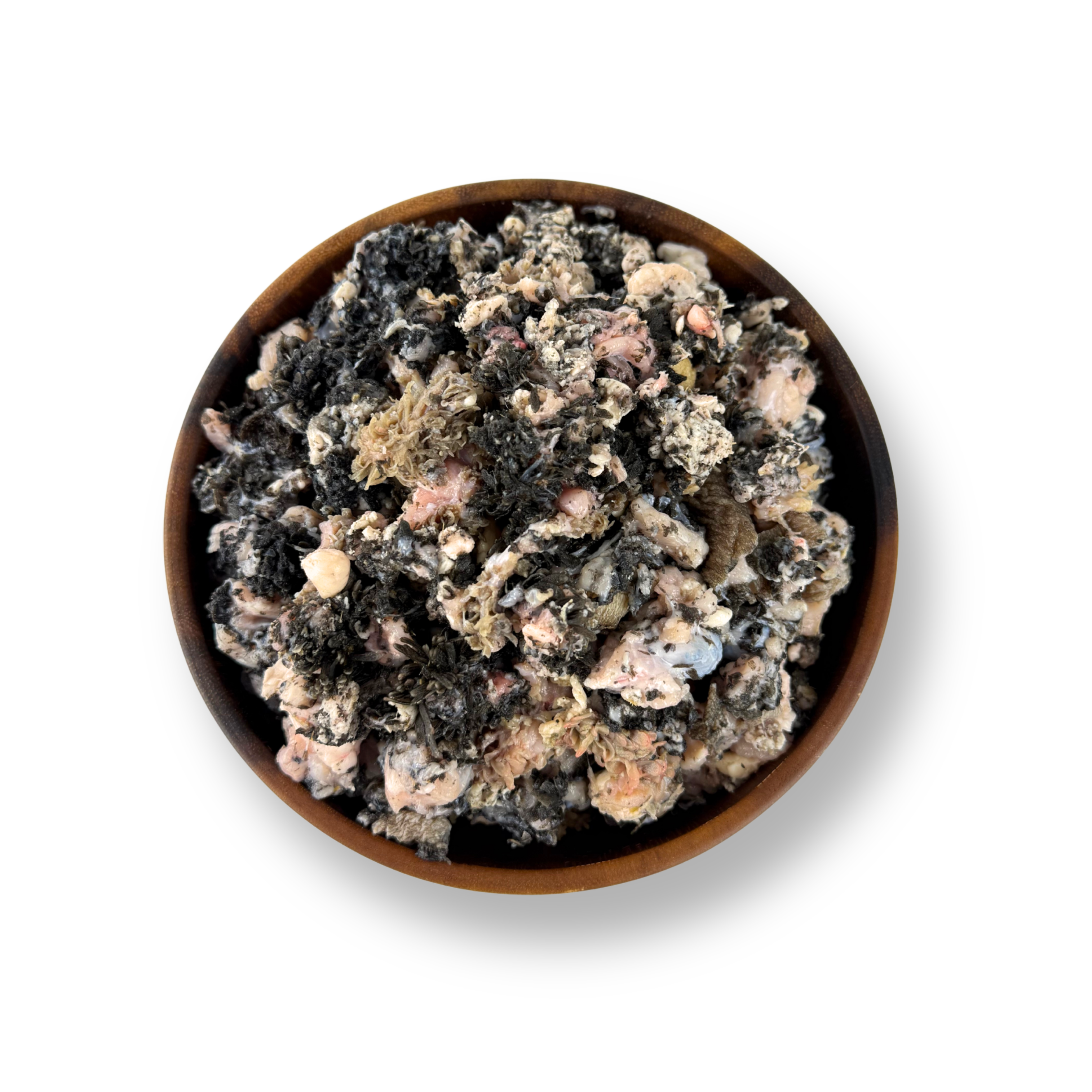
- Add green tripe. Raw green tripe is the standout here. It adds moisture, natural fibre, probiotics and enzymes that support healthy, regular bowel movements and a balanced gut microbiome, and it is gentle enough to feed daily as a topper.
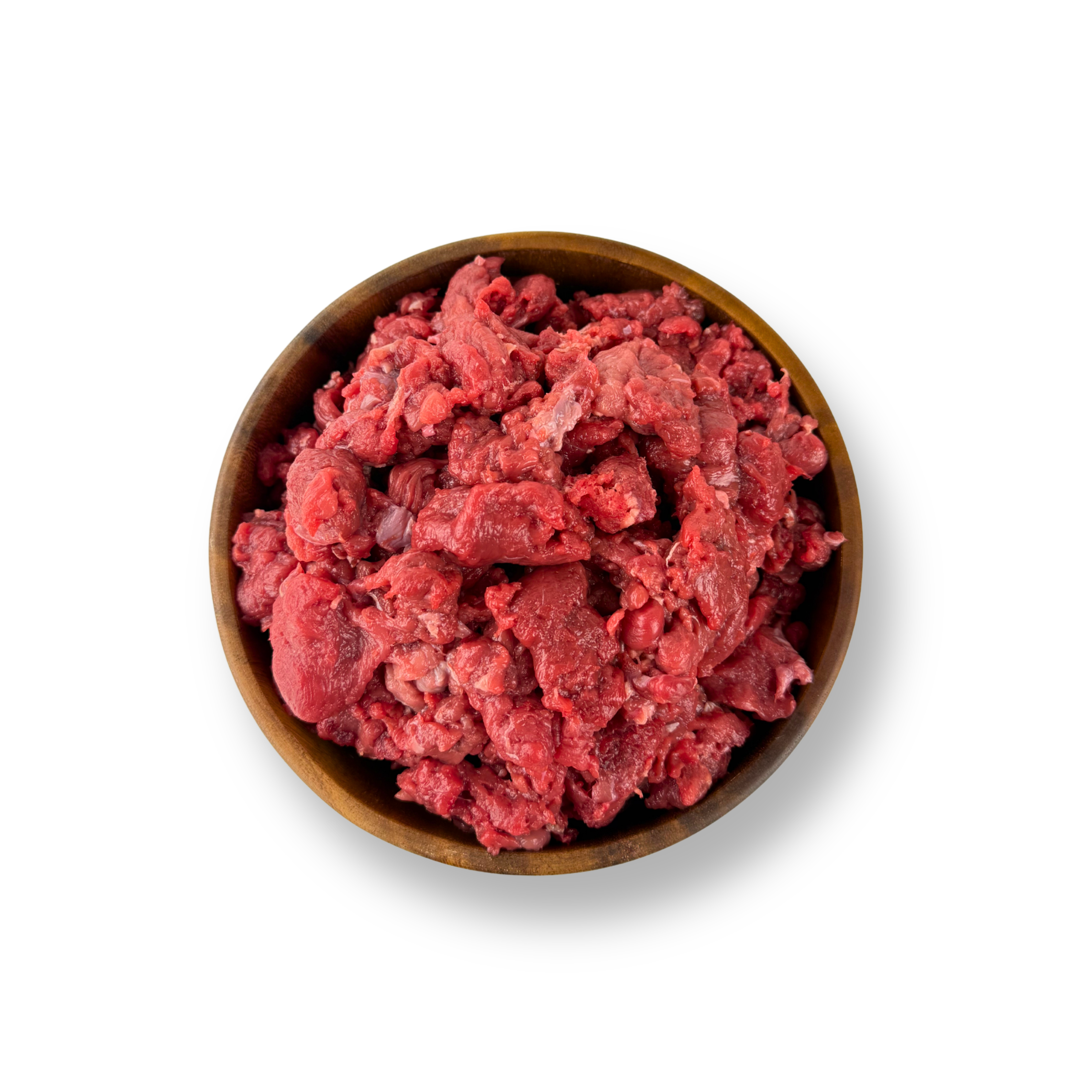
- Lead with meat and organ, go easy on bone. Boneless raw meals keep things soft and moving. This is the opposite of loading up on bone, which is the most common dietary cause of hard, dry stools in raw-fed dogs.
- Keep them moving. Physical activity stimulates the gut, so a walk or some play, alongside good hydration, helps keep things regular, especially in older or less active dogs.
The thread running through all of this is moisture and balance, which is exactly what a fresh, well-built raw diet provides and what dry, low-moisture kibble does not. The same levers work in the other direction too, so if your dog swings between hard and loose, our guide to feeding a dog with diarrhea is a useful companion read.
Why does kibble cause constipation in dogs?
Here is what the bag will not say, and it starts with how the gut actually works. One of the colon's main jobs is to absorb water back out of the stool before it passes. The longer stool sits in the colon, the more water gets pulled out of it, which is why it turns dry and hard. So the moisture a dog takes in directly affects how easily they go. This is where kibble works against a dog: fresh prey and raw food are roughly 70% water, whereas dry kibble is only around 10%. That means a kibble-fed dog has to make up a large moisture gap by drinking, and many simply do not drink enough, so the colon pulls yet more water from already dry stool. On top of that, the fibre in many processed foods is low quality or poorly balanced for keeping things moving. The result is a diet that quietly predisposes some dogs to constipation, no matter how much you encourage water.
How does raw food help with constipation?
A balanced raw diet supports regular, comfortable stools, which is part of why raw feeders so often mention healthy, easy digestion.
- It is naturally high in moisture. Fresh raw food carries far more water than kibble, helping keep stools soft enough to pass comfortably.
- It is highly digestible. Species-appropriate food moves through a dog's system the way it is meant to, supporting regularity.
- Green tripe aids digestion. Raw green tripe adds moisture, natural fibre, probiotics and enzymes that support healthy, regular bowel movements.
- It lets you balance bone. A well-built raw diet keeps bone in the right proportion alongside plenty of meat, organ and moisture, which is the key to avoiding hard stools.
That balance point is important and worth being honest about: raw is not automatically the answer if the bone content is too high. A properly balanced raw diet is. This is the gap RogueRaw was built to fill, with real, fresh, ethically sourced raw nutrition you can balance to your dog. You can browse the full raw range for dogs or start with raw green tripe to support digestion.
How do I get the bone balance right to avoid constipation?
Since too much bone is the most common cause of constipation in raw-fed dogs, getting the balance right matters. The principles are simple:
- Keep bone to the right proportion. Bone should be a modest part of the diet alongside plenty of muscle meat and organ. If stools are hard, dry and chalky, that is the classic sign of too much bone.
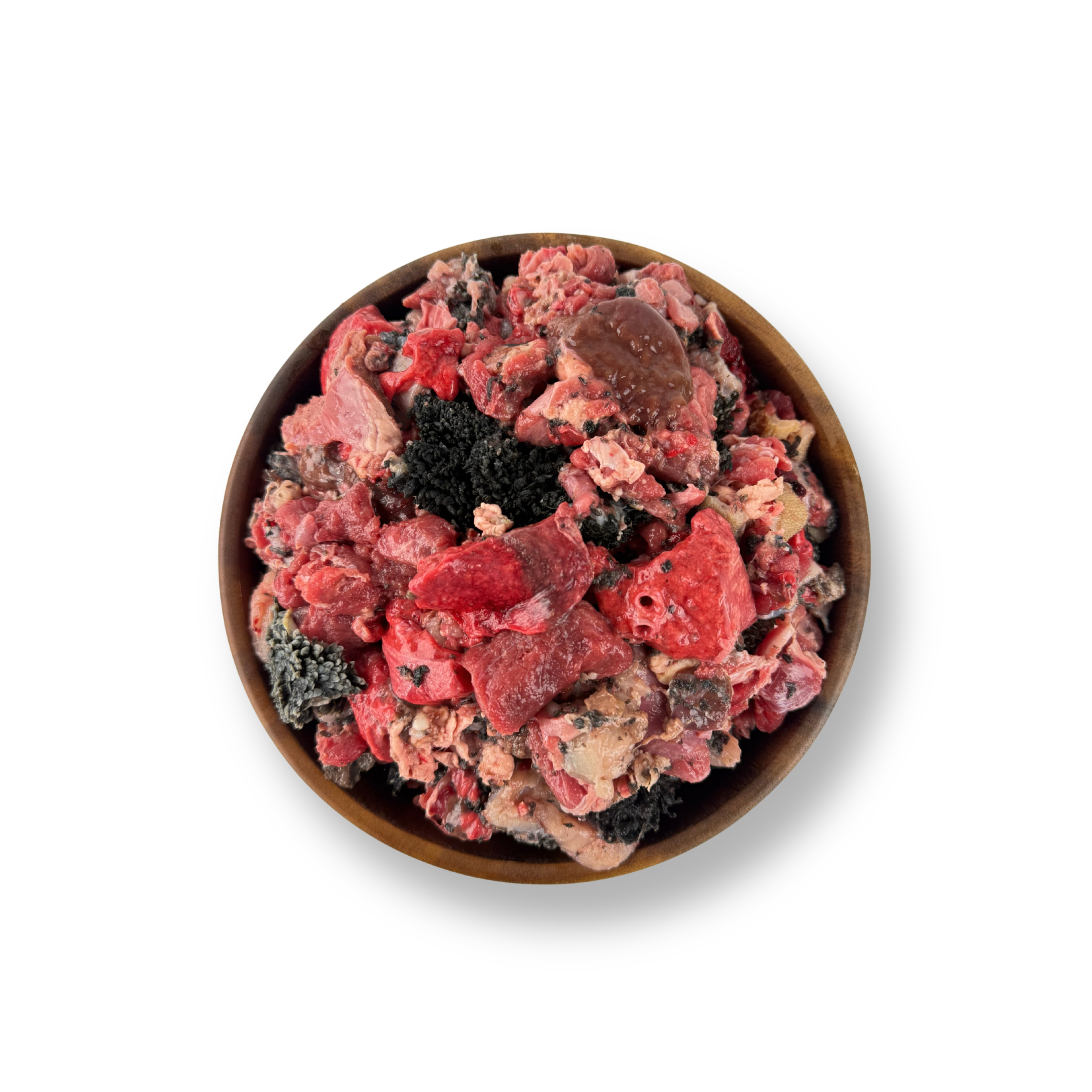
- Lead with meat, organ and moisture. Boneless mixes and green tripe add moisture and keep stools soft.
- Adjust to the individual dog. If your dog firms up too much, reduce bone and increase boneless meat and moisture. If too loose, the reverse.
- Keep water available and encourage movement, both of which help the gut stay regular.
RogueRaw's boneless mixes and green tripe make it easy to keep moisture up and bone balanced, and the raw feeding calculator helps you get the proportions right.
Frequently asked questions about dog constipation
What can I give my dog for constipation?
For mild constipation in a healthy dog, ensure plenty of water, add moisture to meals, and feed gentle, digestible food. Green tripe aids digestion and adds moisture and fibre. Persistent constipation, straining or no stool for more than a day or two needs a vet, as it can signal a blockage.
Does raw food help with constipation?
A fresh raw diet is high in natural moisture and highly digestible, which supports regular, comfortable stools, far more than dry kibble. The key is balance: too much bone can firm stools excessively, so a well-balanced raw diet with adequate meat, organ and moisture works best.
Why is my dog constipated on kibble?
Dry food contains very little moisture, so kibble-fed dogs rely heavily on drinking enough water to stay regular. Low moisture, low quality fibre and low activity can all contribute to constipation on a processed diet.
Can too much bone cause constipation in dogs?
Yes. Excess bone in a raw diet is a common cause of hard, dry, difficult stools. A balanced raw diet keeps bone to the right proportion alongside plenty of meat, organ and moisture. If stools are chalky and hard, reduce bone and increase moisture.
What is the best food to relieve dog constipation?
The most effective approach is food that adds moisture and gentle natural fibre. A fresh raw diet is around 70% water, which helps soften stool, and raw green tripe adds moisture, natural fibre and probiotics that support regular bowel movements. Keeping bone content modest and meat and organ higher also keeps stools soft.
Does exercise help with dog constipation?
Yes. Physical activity stimulates movement in the gastrointestinal tract, which helps keep things moving through the gut. A walk or some play, alongside good hydration, is a simple way to support regular bowel movements, especially in older or less active dogs.
When should I see a vet for dog constipation?
See your vet if your dog has not passed stool for more than 48 hours, is straining without producing anything, seems in pain, or is vomiting or lethargic. A dog passing no stool at all has obstipation, which needs veterinary care, so do not wait it out if your dog is distressed.
The bottom line on feeding a dog with constipation
Mild constipation usually eases with more moisture and a gentle, digestible meal. But if your dog is regularly blocked up, the diet is almost always the reason, and dry kibble's lack of moisture is the usual culprit. A fresh, moisture-rich raw diet supports regular, comfortable stools, with green tripe to aid digestion, as long as the bone content is kept balanced. Get the moisture and balance right and regularity tends to follow. And always see your vet if your dog is straining without result or has not gone for more than a day or two.
About the RogueRaw Raw Feeding Team
RogueRaw is an Australian raw pet food specialist based in NSW, formulating wild and free-range raw diets for dogs and cats. With over a decade of raw feeding experience and more than 30,000 customers, the team specialises in species-appropriate nutrition and supporting dogs with digestive, skin and joint conditions through real, fresh food. Constipation can sometimes be serious. Always work with your vet, especially if your dog is straining or has not passed stool for more than 48 hours.
