


If your dog never stops scratching, chewing their paws or shaking sore, smelly ears, the food in their bowl is one of the first places to look. This is the honest guide to what actually causes itchy skin in dogs, why the typical processed diet keeps the problem burning, and how a raw, novel-protein diet helps dogs settle from the inside out.
Skin trouble is miserable for a dog and exhausting for the owner. You wash, you medicate, you switch shampoos, and a few weeks later the itching is back. First, an honest word most pet food brands skip: not all itchy skin is caused by food. In fact true food allergies affect only around 5% of dogs, and most itching comes from environmental triggers like pollen and dust, or from fleas. But here is the part that matters: whatever the cause, a clean, anti-inflammatory diet helps every itchy dog, because it lowers the total load the immune system is carrying. And when food is the trigger, the everyday proteins in cheap processed food are usually to blame. Strip the diet back to a clean, single protein fed fresh, and the skin very often calms down.
Quick answer: what is the best food for a dog with skin allergies?
The best food for a dog with skin allergies is a limited-ingredient raw diet built on a single novel protein the dog has not eaten before, such as wild venison, water buffalo, goat or emu, with no grains, fillers or artificial additives. Novel proteins give the immune system nothing familiar to react to, while raw feeding restores the omega-3 fats that keep skin and coat calm. Beef, dairy and chicken trigger most canine food reactions, so the goal is simple: remove the common trigger protein, feed clean and fresh, and give the skin time to settle.
Real RogueRaw dogs, real skin results
Fiona H. ✓ Verified
06/12/2025
"Our dog Henry loves Primal Wild Protein. We ordered it for his skin allergies, so we needed a protein he hasn't eaten before. We're only on week three and since Henry started on the Water Buffalo and Wild Deer, his fur is so much softer and his licking of his feet is decreasing. His poop is firming up and he's absorbing more of his food. Finally we've found something."
Martha B. ✓ Verified
04/08/2025
"The Primal Superfood Mix has been a fantastic addition to my staffy's diet, it has helped with his skin and reflux issues. Quality is fantastic, you can see the chunks of everything instead of a mushy paste like some other pre-mades. Thanks Rogue Raw from Rocco and I."
Paul M. ✓ Verified
20/09/2025
"Our staffy Koojo has skin issues and we'd been trying to find an alternative to the vet and medication. Since switching his food and using Rogue Royalty supplements his coat and fur have dramatically improved. Can't recommend enough."
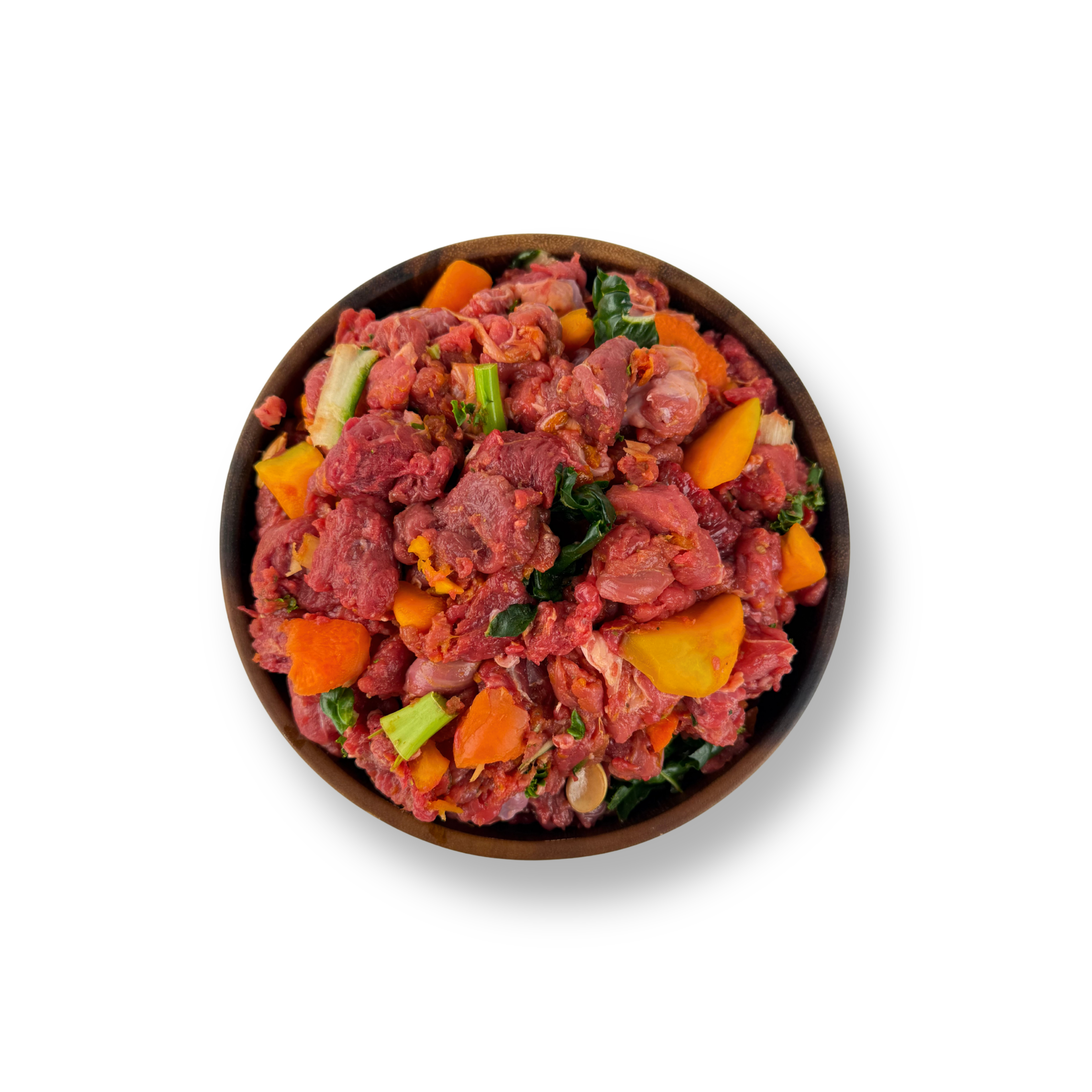
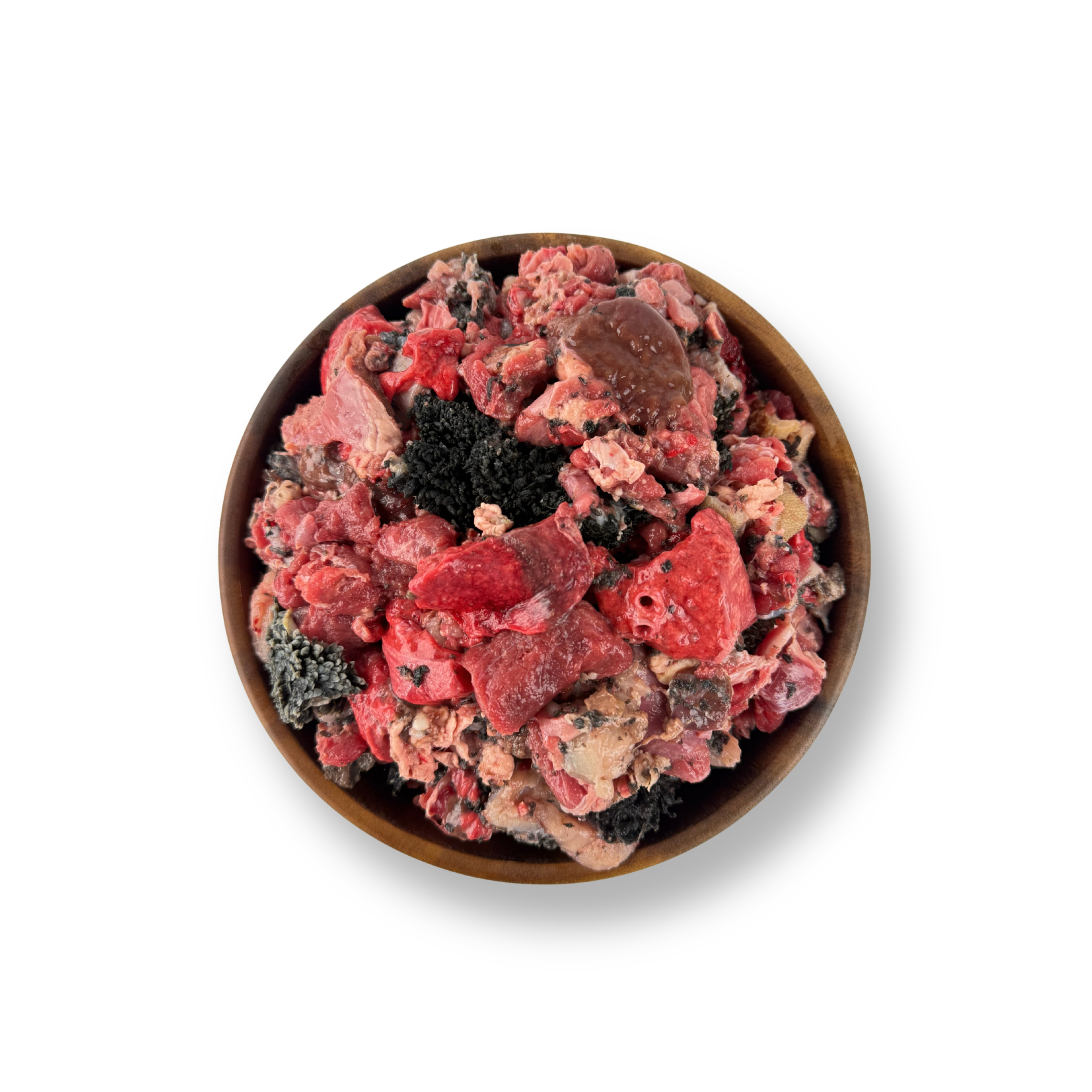
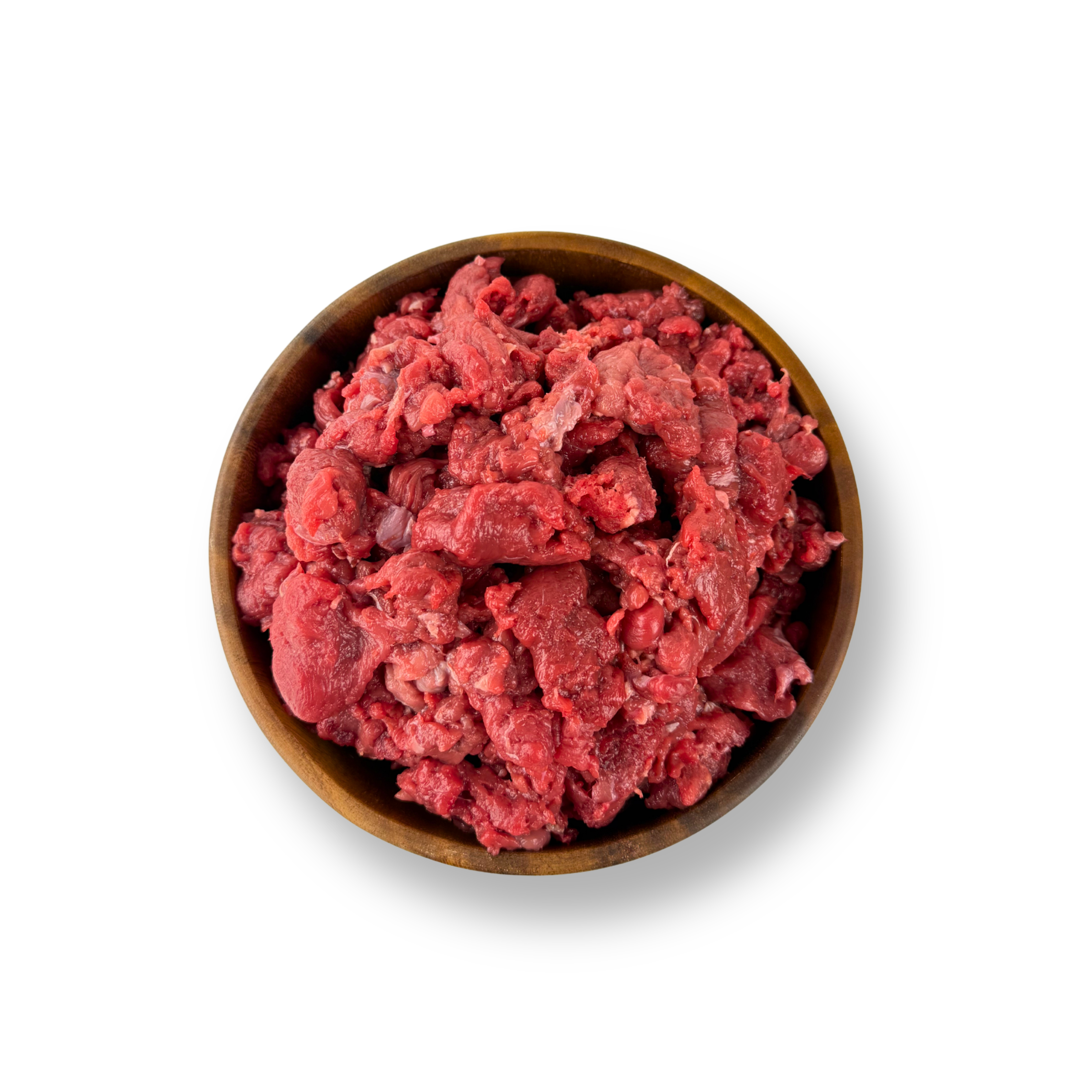
Allergy-friendly novel proteins to start with
Single clean proteins, no fillers, 100% Australian. Add straight to your cart.
What causes skin allergies in dogs?
Itchy skin is not one condition. It is a symptom with a handful of common causes, and getting the cause right is what makes the difference between a dog that settles and a dog that suffers for years. Broadly, canine skin allergies fall into three buckets.
Food allergies. The immune system wrongly tags a food protein as a threat and reacts every time the dog eats it. This shows up on the skin as itching, redness, paw chewing and recurring ear infections. Food allergies build through repeated exposure, which is why a dog can eat the same food for years and then start reacting to it.
Environmental allergies. Pollen, dust mites, grasses and mould can all trigger itchy skin, often seasonally. These are actually more common than true food allergies, so they are worth ruling out with your vet.
Flea allergy dermatitis. Some dogs are so sensitive to flea saliva that a single bite sets off intense itching, usually around the rump and tail base.
Here is the key point for feeding: even when the trigger is environmental or fleas, diet still matters enormously, because a clean, anti-inflammatory diet lowers the total inflammatory load the dog is carrying. A dog already running hot on a processed diet has far less margin before the itching tips over.
Why does my dog keep getting itchy skin and ear infections?
Recurring ears and itchy skin that flare, settle and return are a classic food-allergy pattern. The reason it keeps coming back is simple: if the trigger protein is still in the bowl, you are treating the symptom while feeding the cause. Medicated washes, steroids and antibiotics can calm a flare, but they do nothing about the daily exposure driving it. Watch for this cluster of signs together:
- Itchy skin that does not follow the seasons, especially paws, face, belly, armpits and rear
- Recurring ear infections, head shaking and ear scratching
- Paw licking and chewing that leaves reddish-brown stained fur
- Hot spots, rashes and inflamed skin that come and go
- A dull, flaky coat or a persistent yeasty smell
- Sometimes loose stool or gas alongside the skin signs
One sign on its own usually means little. Several together, refusing to fully clear, is the pattern that points back to food.
Is it a food allergy or environmental allergy? The timeline test
Because most itching is actually environmental rather than food-driven, working out which one you are dealing with saves months of guesswork. The simplest clue is timing, and you can read it at home before you spend a cent.
- Year-round, non-seasonal itching that grinds on regardless of the weather leans towards a food allergy or intolerance.
- Seasonal itching that flares in spring or summer and eases in cooler months points to environmental allergens like pollen and grass.
- Itching focused around the rump and tail base is the classic signature of a flea allergy, where a single bite can set off intense irritation.
It is not a perfect test, and many dogs have more than one trigger at once, so your vet is the right partner for a firm diagnosis. But the key point holds either way: a clean, anti-inflammatory diet supports every itchy dog, because it lowers the inflammatory load whatever the root cause. With a food allergy it removes the trigger. With an environmental or flea allergy it strengthens the skin barrier so the dog copes better.
What foods cause skin allergies in dogs?
This surprises most owners. The proteins dogs react to most are not exotic, they are the cheap, everyday ingredients at the top of nearly every supermarket label. The most-cited veterinary review of canine food allergens ranked the worst offenders like this:
| Food allergen | Share of dogs with a confirmed food allergy |
|---|---|
| Beef | 34% |
| Dairy products | 17% |
| Chicken | 15% |
| Wheat | 13% |
| Lamb | 5% |
| Soy | 6% |
| Egg / corn | 4% each |
Beef, dairy, chicken and wheat account for the large majority of food allergies in dogs. Those are exactly the ingredients that dominate cheap processed food, because they are cheap, not because they suit a dog. The more often a protein appears in the food supply, the more exposure dogs get, and the more chances the immune system has to turn against it. This is why simply switching from one chicken-based food to another rarely fixes anything.
What ingredients should I avoid for a dog with itchy skin?
If your dog's skin is reactive, the label is the first place to look. As a starting point, steer clear of:
- The common trigger proteins your dog has eaten for years, especially beef, chicken and dairy, which top the allergen list.
- Grains and starchy fillers like wheat and corn, which bulk out cheap food and add nothing a carnivore needs.
- Artificial colours, flavours and preservatives, which give a sensitive system more to react to.
- Vague "meat meal" or "animal derivatives" on labels, where you cannot tell which protein your dog is actually eating.
The cleanest way to avoid all of these at once is a single named protein with nothing else in the bowl, which is exactly what a limited-ingredient raw diet gives you.
Do omega-3s and fish help dogs with itchy skin?
Yes, and this is the one nutrient nearly every vet and skin guide agrees on. Omega-3 fatty acids, EPA and DHA, have natural anti-inflammatory properties that calm inflamed, itchy skin and strengthen the skin barrier, which is why they help every itchy dog regardless of the cause. The catch is that dogs cannot produce omega-3s themselves and must get them from food, yet a 2024 canine study found the average dog sitting at an Omega-3 Index of just 1.4%, well below the 4% considered low-risk. Most dogs are simply running short.
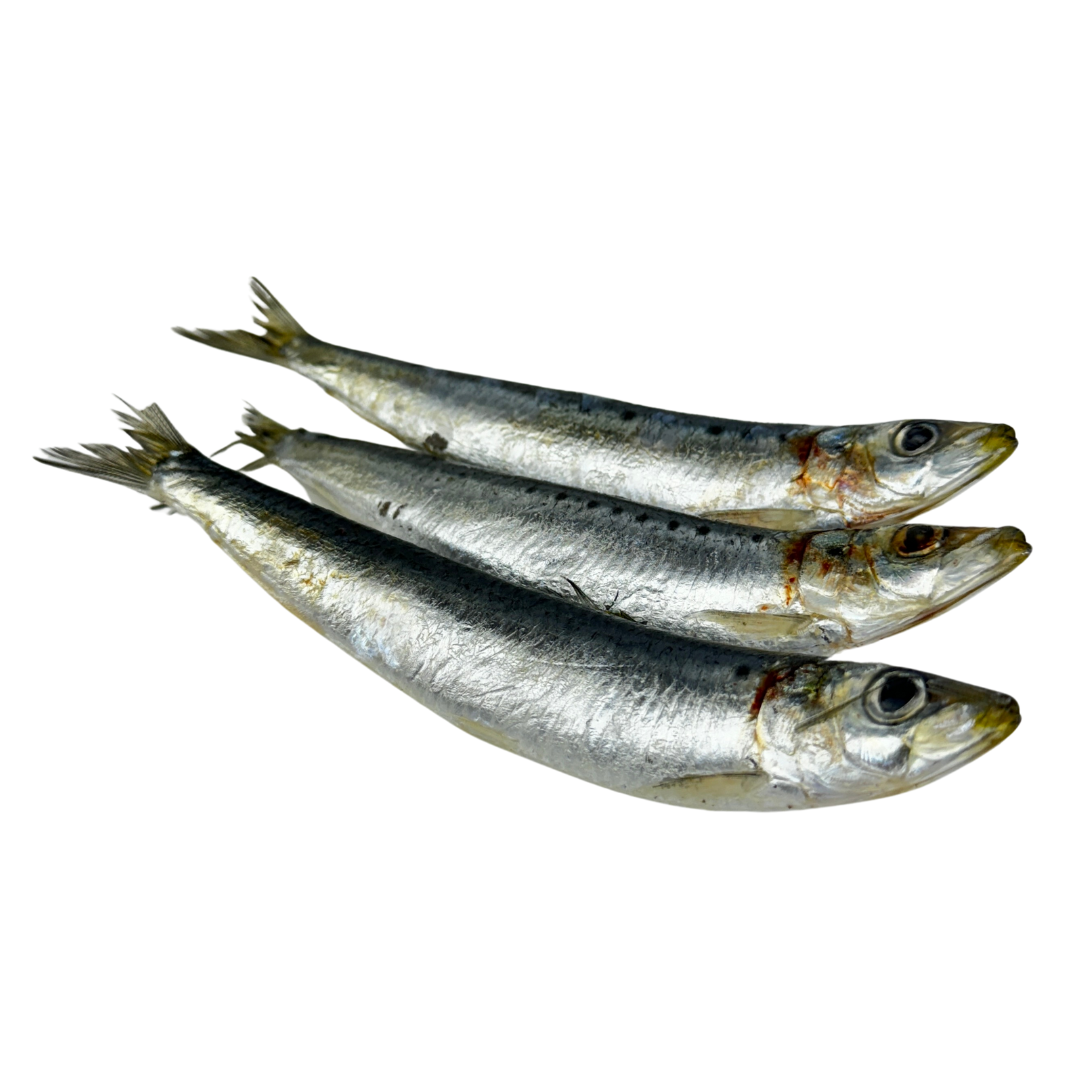
Oily fish are the richest natural source. Whole sardines carry one of the highest omega-3 concentrations of any seafood gram for gram, and salmon is close behind, both supporting skin and coat while reducing inflammation. Adding a few sardines to meals, or feeding an omega-rich protein like water buffalo, is one of the simplest skin upgrades you can make. It is also why fish features so heavily in skin-support diets, and why it belongs in an itchy dog's bowl.
Why does processed dog food make skin problems worse?
An allergy-prone dog on ultra-processed food is trying to heal while being fed the very things keeping the fire lit. Three reasons stand out.
It is built on the worst-offending proteins. Beef and chicken are the backbone of mass-market food, so a sensitive dog gets constant exposure to the exact triggers most likely to set them off.
It is loaded with fillers and additives. Grains, starches, synthetic preservatives and colours bulk out the recipe and extend shelf life, but they add nothing a carnivore needs and give the body more to react to.
It strips out the anti-inflammatory fats. Heavy processing degrades the fragile omega-3 fats that keep skin and coat calm. A 2024 canine study found the average dog had an Omega-3 Index of just 1.4%, while anything under 4% is considered high risk. In plain terms, the typical processed-fed dog is running on a fraction of the skin-soothing fats it needs.
How does raw food help dogs with skin allergies?
For a lot of itchy dogs, raw feeding works because it attacks the problem from several directions at once, which is exactly what owners like Fiona, Martha and Paul describe above.
- It removes the processed triggers. No grains, no fillers, no synthetic additives. You take away the things aggravating sensitive skin in the first place.
- It makes novel proteins easy. Raw opens up clean single proteins like wild venison, water buffalo, goat and emu that most dogs have never eaten, so the immune system has nothing familiar to react to.
- It restores the omega-3 fats. Fresh, minimally processed meat keeps those fragile skin-and-coat fats intact instead of cooking them off.
- It feeds the dog as a carnivore. Species-appropriate raw nutrition matches what a dog is actually built to digest, which tends to mean a calmer gut, firmer stool and a healthier coat.
This is the gap RogueRaw was built to fill. Rather than another bag of processed food dressed up as premium, the focus is on real, fresh, ethically sourced raw nutrition built around novel proteins, fully customisable to your dog. You can browse the full raw range for dogs or start with a dedicated allergy meal pack.
What is the best novel protein for a dog with itchy skin?
A novel protein is simply one your dog has never eaten. Because the immune system can only react to something it has met before, a brand-new protein is the single most powerful lever you have. Good options for skin-sensitive dogs include:
- Wild venison (deer). Lean, low-fat and naturally hypoallergenic, with omega-3s that support skin and coat. One of the most reliable starting points.
- Water buffalo. Higher omega-3 content to help reduce inflammation and promote a shiny coat, which is exactly why it features in the mix Henry is on.
- Goat. A lean, gentle, naturally hypoallergenic prey protein that suits sensitive dogs.
- Emu. Very lean, with twice the iron of beef and natural omega fats. A strong pick for sensitive dogs that also need to watch their weight.
The best results come from pairing a novel protein with a limited-ingredient approach: one clean protein, no fillers, no mystery additives. Fewer ingredients means fewer possible triggers and a much clearer read on what your dog can tolerate.
How do you do an elimination diet for skin allergies?
An elimination diet is the gold standard for confirming a food-driven skin allergy. There is no reliable blood test for food allergies, so this controlled trial, ideally run with your vet, is how you get real answers.
- Pick one novel protein your dog has never eaten, such as venison or emu, with nothing else in the bowl.
- Feed it exclusively for 8 to 12 weeks. That means no treats, no flavoured chews, no table scraps. One slip can invalidate the trial.
- Watch the skin settle. If food was the cause, itching, ear trouble and paw chewing should ease over the trial.
- Reintroduce one protein at a time for 10 to 14 days. If the itching returns, you have found a trigger.
- Build the long-term diet around the clean proteins your dog tolerates.
Food allergies cannot be cured, but once you know the trigger they are very manageable, and a clean novel-protein raw diet makes avoidance the default rather than a daily battle with hidden ingredients. RogueRaw's transition and meal packs are designed to make the switch smooth on a sensitive gut.
Frequently asked questions about dog skin allergies and food
How long until my dog's skin improves after a food change?
Most elimination trials run 8 to 12 weeks before you can fully judge results, because the previous triggers need to clear and the skin needs time to settle. Some owners notice softer fur and less paw licking within a few weeks, as Fiona did at week three, but the complete picture needs the full trial.
Can food allergies cause ear infections in dogs?
Yes. Recurring ear infections are one of the most common signs of a food allergy in dogs, often alongside itchy paws and skin. If your dog's ears keep flaring despite treatment, the diet is worth investigating.
Is chicken bad for dogs with skin allergies?
Chicken is one of the top causes of food allergies in dogs, linked to around 15% of confirmed cases. For a dog that has eaten chicken for years and is now itchy, switching to a novel protein it has never had, like venison or emu, is often the more effective move.
Will a grain-free diet fix my dog's itchy skin?
Usually not on its own. Wheat is a common allergen, but the bigger triggers are animal proteins like beef and chicken. Removing grain while keeping the same problem protein often changes nothing. The protein source matters more than the grain.
Does raw food really help with skin and coat?
Many owners report softer coats, less itching and firmer stool after switching, which lines up with what raw feeding does: it removes processed triggers and restores the omega-3 fats that support skin. It is not a guaranteed cure for every dog, but for food-driven skin issues it addresses the cause rather than masking it.
The bottom line on feeding a dog with skin allergies
Itchy skin and sore ears are rarely random. More often they trace back to a processed diet built on the exact proteins dogs react to most. The fix is not another medicated wash or a slightly better bag of the same thing. It is stripping the diet back to a single clean novel protein, removing the fillers and additives, and feeding your dog the way their body was actually designed to eat. Get that right and the skin often settles on its own. If you are ready to try it, start with a novel protein above or explore the full range.
Shop allergy-friendly raw food
About the RogueRaw Raw Feeding Team
RogueRaw is an Australian raw pet food specialist based in NSW, formulating wild and free-range raw diets for dogs and cats. With over a decade of raw feeding experience and more than 30,000 customers, the team specialises in species-appropriate nutrition, novel proteins and supporting dogs with skin, gut and joint conditions through real, fresh food. Always work with your vet on your dog's individual health.