


Watching a dog slow down, struggle on the stairs or stiffen up after a rest is hard. Arthritis is one of the most common conditions in older dogs, and while there is no cure, the right diet does real work. It can ease inflammation, supply the nutrients joints need, and keep your dog lean so sore joints carry less load. This is the honest guide to feeding a dog with arthritis.
Arthritis is far more common than most owners realise. In Australia, osteoarthritis affects roughly one in five adult dogs, and up to 65% of dogs over the age of seven, which makes it one of the leading causes of chronic pain in our dogs. It is also widely under-diagnosed, because dogs are stoic and hide discomfort, so the early stiffness often gets written off as just getting old. Management is usually framed around medication, and your vet's plan matters. But diet is a powerful, often underused lever that works alongside it. Two things drive joint comfort from the bowl: lowering inflammation, and protecting the joints from extra weight. Here is what processed pet food brands skip: ultra-processed kibble is often high in inflammatory fillers and easy to overfeed, the opposite of what a sore-jointed dog needs. A fresh, omega-rich diet with natural joint nutrients, kept lean, supports an arthritic dog the way their body actually responds to.
Work with your vet. Arthritis needs proper veterinary diagnosis and a treatment plan. Diet supports that plan, it does not replace it. Always involve your vet, especially before changing the diet of a dog on medication.
Quick answer: what is the best food for a dog with arthritis?
The best food for a dog with arthritis is a fresh, anti-inflammatory diet rich in omega-3 fatty acids, with natural sources of glucosamine and chondroitin, kept lean to protect the joints. Omega-3s EPA and DHA help reduce joint inflammation, while raw meaty bones and cartilage-rich parts like chicken feet supply the building blocks of joint cartilage naturally. Keeping an arthritic dog at a healthy weight is just as important, since excess weight loads sore joints. A clean raw diet with omega-rich proteins, joint-supporting bones and a marine omega oil ticks all three boxes, alongside your vet's treatment plan.
Real RogueRaw dogs, thriving on raw
Paul M. ✓ Verified
20/09/2025
"Our staffy Koojo had health issues and we'd been trying to find an alternative to the vet and medication. Since switching his food and using Rogue Royalty supplements his coat and condition have dramatically improved. Can't recommend enough."
Verified buyer ✓ Verified
ProductReview.com.au
"My 10 year old Dobermann has always been raw fed. Excellent quality wild meats that my dog just loves. At his age the variety of proteins and bones keeps him moving well. A small family company with a fantastic product."
Fiona H. ✓ Verified
06/12/2025
"Since Henry started on the Water Buffalo and Wild Deer his fur is so much softer and he's absorbing more of his food. Finally we've found something that works for him."
Joint-supporting raw food to start with
Natural glucosamine, omega-3s and lean protein. No fillers, 100% Australian. Add straight to your cart.
Can diet help a dog with arthritis?
Diet will not cure arthritis, but it does meaningful work alongside veterinary care, and it does it in three distinct ways. It lowers inflammation, since the omega-3 fatty acids in fresh, oily proteins and marine oils have natural anti-inflammatory properties that can ease joint stiffness and soreness. It supplies joint-building nutrients, because cartilage-rich raw parts deliver the glucosamine and chondroitin that joints use to maintain themselves. And it keeps the dog lean, which matters enormously, because every extra kilo loads already painful joints. Get all three working together and many owners see a more comfortable, more mobile dog.
What nutrients does an arthritic dog need?
A joint-supporting diet is built around a few key nutrients, all of which raw feeding supplies naturally:
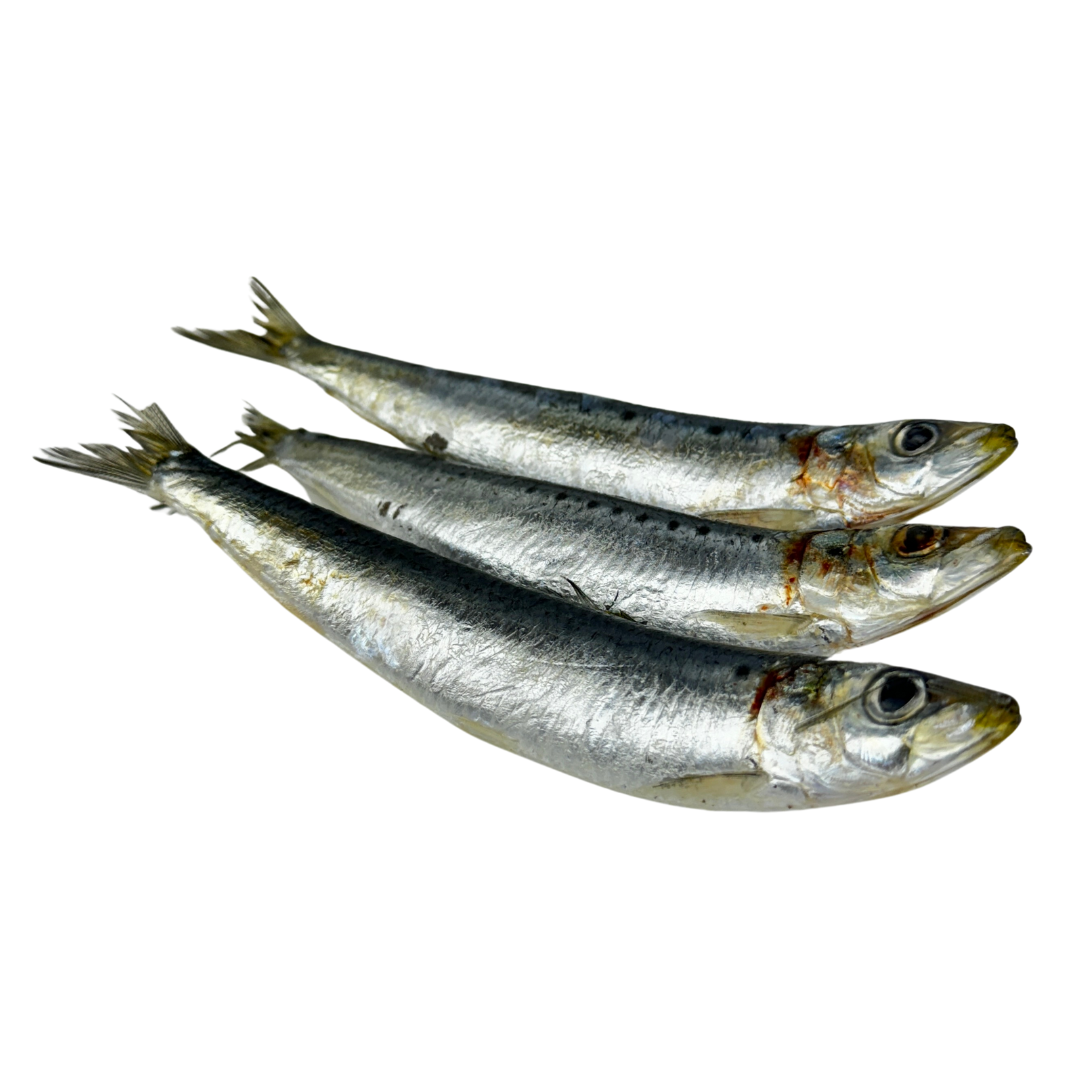
- Omega-3 fatty acids (EPA and DHA). The most important anti-inflammatory nutrients for joints, with strong evidence behind them. Oily fish are the richest natural source, sardines and salmon especially, followed by omega-rich proteins like water buffalo and a marine omega oil. The same omega-3s benefit older dogs in other ways too, including helping to slow kidney disease, which often turns up alongside arthritis in senior dogs.
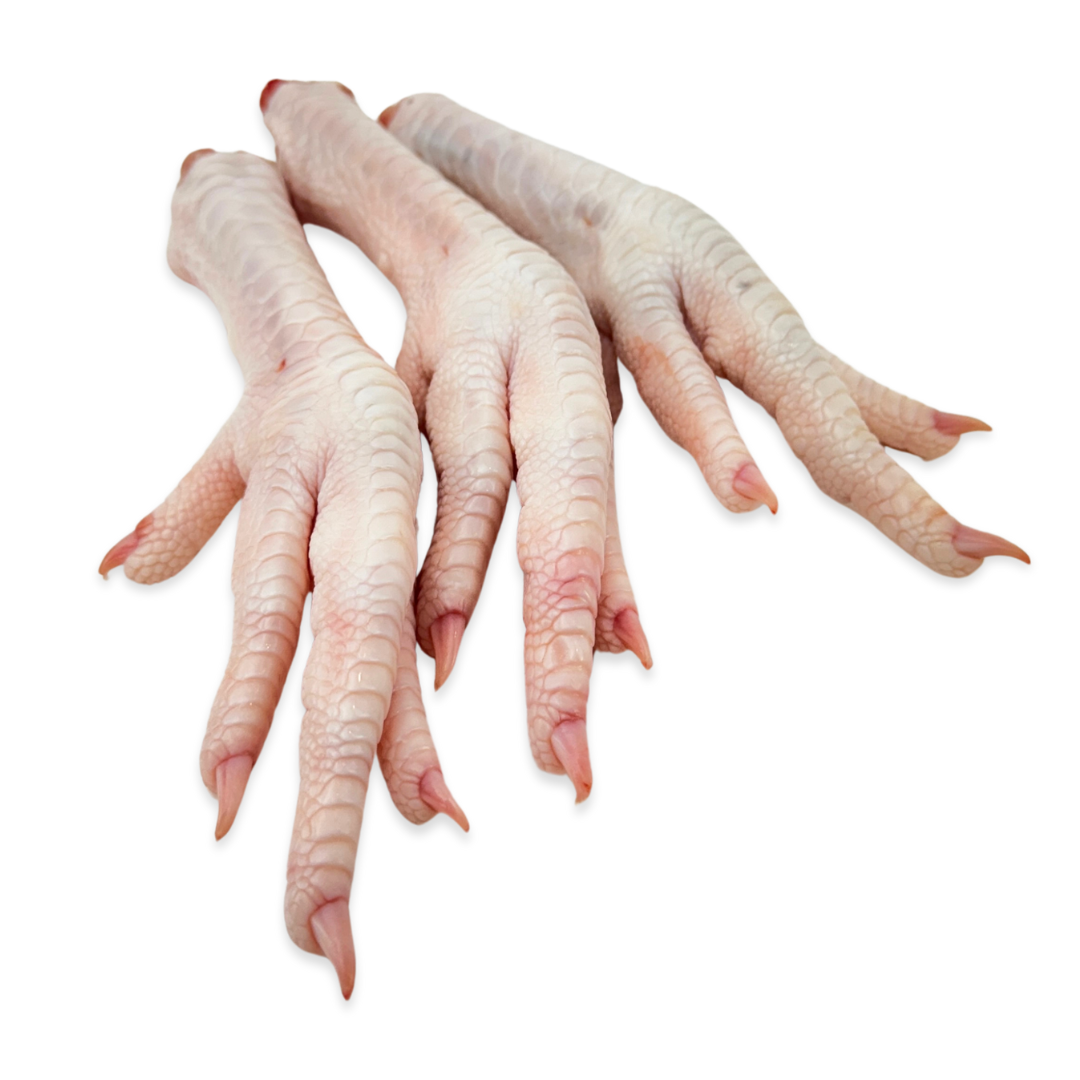
- Glucosamine and chondroitin. The building blocks of joint cartilage, found naturally in raw meaty bones, chicken feet, duck necks and trachea.
- Green-lipped mussel (Perna canaliculus). One of the most talked-about natural joint nutrients, naturally combining omega-3s, glucosamine and chondroitin in one whole food. It is a standard inclusion in joint-support diets and a useful addition for an arthritic dog.
- Collagen. Supports connective tissue and joint structure, abundant in cartilage-rich cuts and tendons.
- Lean, high-quality protein. Maintains the muscle that supports and stabilises sore joints, without adding excess fat.
The beauty of feeding these naturally is that they come in the form a dog's body recognises and absorbs, rather than as synthetic add-ons. Oily fish like sardines deliver omega-3s and whole-food nutrition in one, which is why fish belongs in an arthritic dog's bowl. It is worth knowing how big the gap usually is: a 2024 canine study measuring the Omega-3 Index found the average dog sat at just 1.4%, when research considers anything below 4% to be high risk and around 8% optimal. Most dogs, in other words, are starting from a long way behind on exactly the nutrient that calms joint inflammation, which is why a deliberate omega-3 source makes such a noticeable difference.
Why does keeping my dog lean matter for arthritis?
This is the single most effective thing you can do for an arthritic dog short of medication, and the most overlooked. Excess weight puts direct extra load on joints that already hurt, accelerating wear and worsening pain, and fat tissue itself releases inflammatory signals that add to the problem. The scale of it in Australia is striking: over 40% of Australian dogs are overweight or obese, and obesity is described by vets as the most common form of malnutrition in pets. For a dog with arthritis, carrying extra weight is like asking a person with a sore knee to walk around with a heavy backpack all day. If you do just one thing from this guide, keep your dog lean.
A clean, portion-controlled raw diet helps here in two ways. It is highly digestible and nutrient-dense, so dogs are well nourished on sensible portions, and it avoids the cheap carbohydrate fillers that pile on empty calories. Keeping your arthritic dog lean is one of the kindest things you can do for their joints.
Why can processed food make arthritis worse?
Here is what the bag will not tell you. Many dry foods are high in carbohydrate fillers and certain oils that can promote inflammation, the opposite of what a sore-jointed dog needs. They are also calorie-dense and easy to overfeed, which drives the weight gain that loads joints further. And high-heat processing degrades the fragile omega-3 fats that would otherwise help calm inflammation. So a dog managing arthritis on ultra-processed food is often fighting inflammation and excess weight at the same time, with a diet working against both.
How does raw food support a dog's joints?
A fresh raw diet supports arthritic dogs on every front that matters, which is why owners of older dogs often report better mobility after switching.
- It is naturally anti-inflammatory. Fresh, omega-rich proteins keep the EPA and DHA intact that help ease joint inflammation, rather than cooking them off.
- It supplies natural joint nutrients. Raw meaty bones and cartilage-rich parts deliver glucosamine, chondroitin and collagen in their natural form.
- It keeps dogs lean. Nutrient-dense, filler-free food nourishes a dog well on sensible portions, protecting the joints from excess weight.
- It maintains muscle. Lean, high-quality protein supports the muscle that stabilises sore joints.
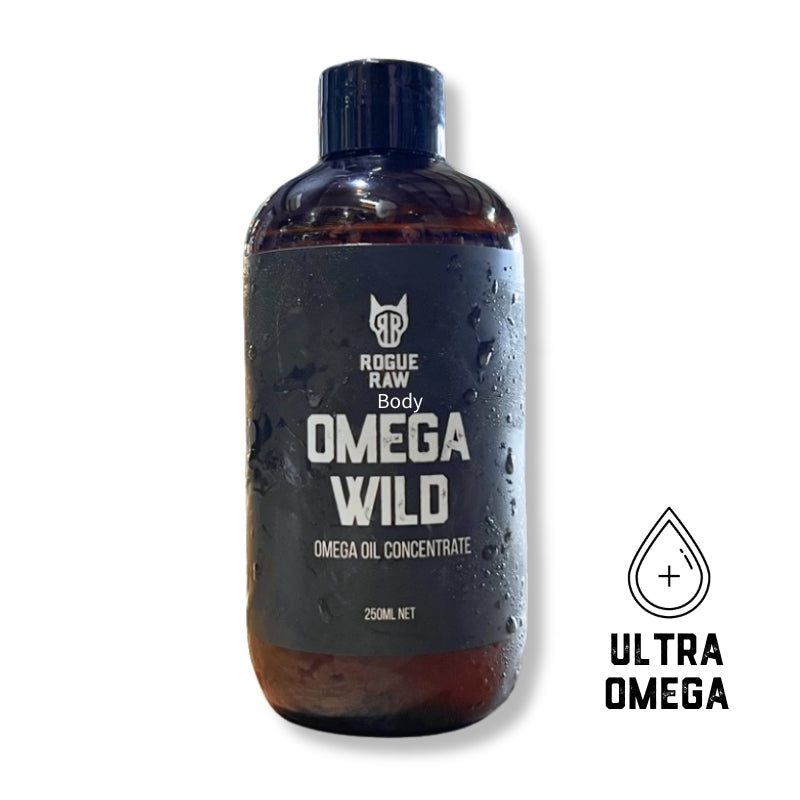
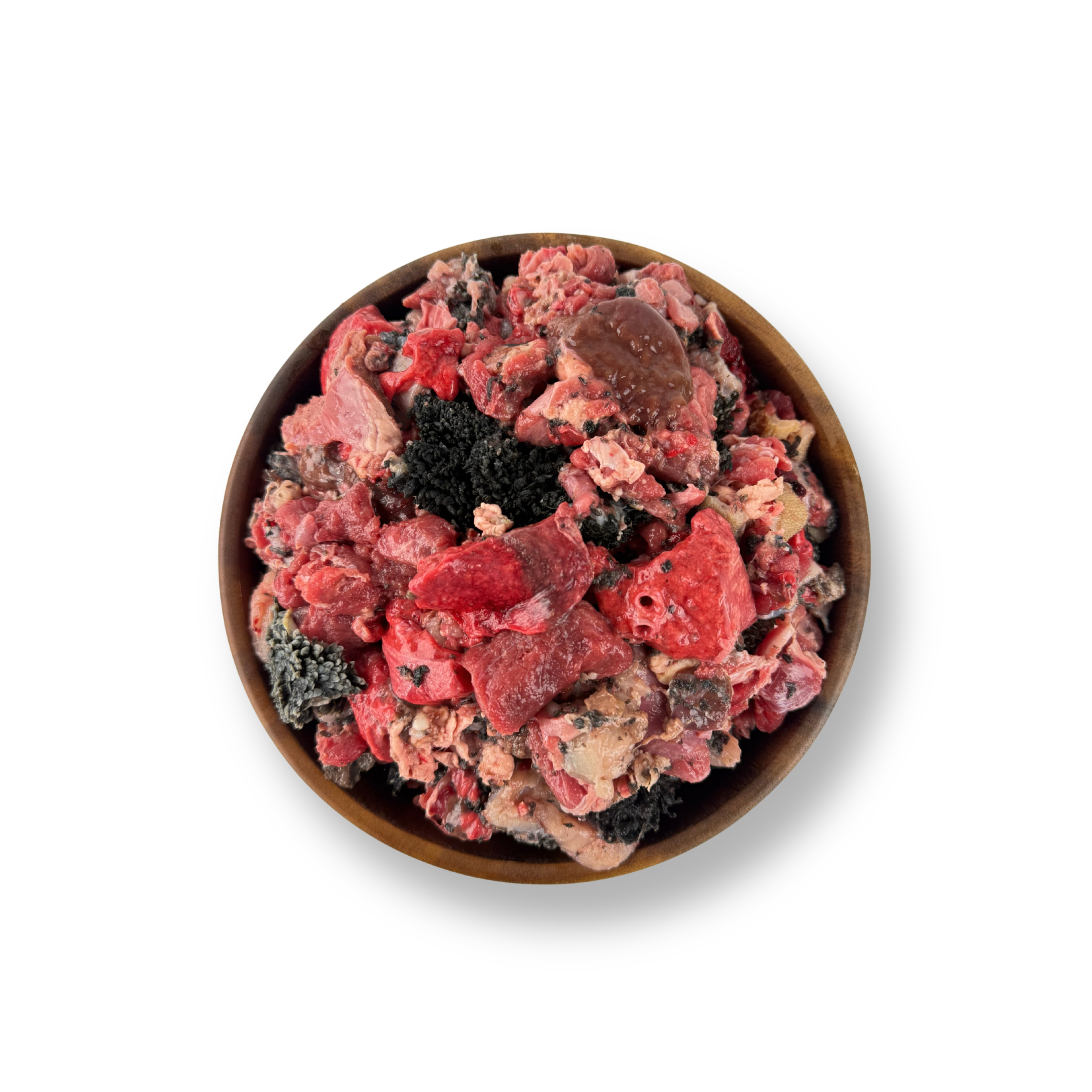
This is the gap RogueRaw was built to fill: real, fresh, ethically sourced raw nutrition with the omega-rich proteins and natural joint-supporting bones an arthritic dog needs. You can browse raw meaty bones for natural joint nutrients, or start with chicken feet and a marine omega oil.
How do I add joint support to my dog's diet?
You can build joint support into an arthritic dog's diet simply and naturally:
- Add omega-3s. A daily or every-second-day marine omega oil brings anti-inflammatory EPA and DHA. Omega-rich proteins like water buffalo and salmon help too.
- Feed cartilage-rich bones. Chicken feet, duck necks and similar parts supply natural glucosamine and chondroitin. Chicken feet also clean teeth as the dog chews.
- Choose lean proteins and control portions. Keep your dog at a healthy weight to protect the joints.
- Transition gradually over seven to ten days, especially for an older dog, and always within your vet's plan.
RogueRaw's meal packs make it easy to combine omega-rich proteins with joint-supporting bones in one go.
Frequently asked questions about feeding dogs with arthritis
What food is best for dogs with arthritis?
The best food for an arthritic dog is a fresh, anti-inflammatory diet rich in omega-3 fatty acids and natural joint nutrients like glucosamine and chondroitin, kept lean to protect the joints. Raw food with omega-rich proteins, raw meaty bones and a marine omega oil supports joints while avoiding the inflammatory processed fillers.
Do omega-3s help dogs with arthritis?
Yes. Omega-3 fatty acids EPA and DHA have natural anti-inflammatory properties that can help ease joint stiffness and soreness in dogs. A marine omega oil and omega-rich proteins like water buffalo and salmon are good natural sources.
What foods are natural glucosamine for dogs?
Raw meaty bones and cartilage-rich parts like chicken feet, duck necks and trachea are excellent natural sources of glucosamine and chondroitin, the building blocks of joint cartilage. Chicken feet contain around 450mg of glucosamine each.
Does being overweight make dog arthritis worse?
Yes. Excess weight puts extra load on already sore joints and worsens arthritis. With over 40% of Australian dogs overweight, keeping an arthritic dog lean on a clean, portion-controlled diet is one of the most important things you can do.
Can diet really improve my dog's arthritis?
Diet will not cure arthritis, but it plays a powerful supporting role. An anti-inflammatory, omega-rich diet with natural joint nutrients, kept lean, can help ease symptoms alongside your vet's treatment plan. Always work with your vet on arthritis management.
The bottom line on feeding a dog with arthritis
Arthritis has no cure, but the bowl does real work alongside your vet's treatment. Feed to lower inflammation with omega-3s, supply natural joint nutrients through cartilage-rich raw bones, and above all keep your dog lean so sore joints carry less load. Ultra-processed kibble tends to work against all three, high in inflammatory fillers and easy to overfeed. A fresh, omega-rich raw diet with joint-supporting bones gives an arthritic dog the best dietary support there is. Pair it with your vet's plan and you give your old friend the most comfortable life possible.
Shop joint-supporting raw food
About the RogueRaw Raw Feeding Team
RogueRaw is an Australian raw pet food specialist based in NSW, formulating wild and free-range raw diets for dogs and cats. With over a decade of raw feeding experience and more than 30,000 customers, the team specialises in species-appropriate nutrition and supporting dogs with skin, gut and joint conditions through real, fresh food. Arthritis needs veterinary diagnosis and care. Always work with your vet on your dog's treatment plan.