


A kidney disease diagnosis changes how you feed your dog, and the advice out there can feel contradictory. This is the honest guide: what the science agrees on, where the genuine debate lies, and why the one clear dietary win is something raw feeders can offer. Above all, this is a condition to manage hand in hand with your vet.
By the RogueRaw Raw Feeding Team · Specialists in species-appropriate raw nutrition, trusted by 30,000+ Australian pet owners. This guide is general information, not veterinary advice. Kidney disease requires veterinary diagnosis and a tailored diet plan, so always work closely with your vet.
Chronic kidney disease, often shortened to CKD, means the kidneys are gradually losing their ability to filter waste from the blood. It cannot be cured, but with the right management many dogs live comfortably for a long time, and diet is one of the most powerful tools you have. We will be straight with you throughout: kidney disease is the one area where raw is not automatically the best answer, and a vet-guided plan comes first. Here is what actually matters.
Please read first. Kidney disease is a serious medical condition that needs veterinary diagnosis, monitoring and a tailored diet. For most dogs, a vet-prescribed therapeutic renal diet is the recommended foundation, and any fresh or raw additions should be made only with your vet's approval and regular bloodwork. This article is general information and does not replace veterinary advice.
Quick answer: what should I feed a dog with kidney disease?
Start with your vet. For most dogs with CKD the recommended foundation is a therapeutic renal diet that controls phosphorus, sodium and protein and adds omega-3. Whether to include fresh or raw elements is debated and depends on your dog, but the one clearly agreed dietary benefit is added omega-3 from fish, which research links to slowing the disease. Plan everything with your vet using your dog's bloodwork.
What RogueRaw customers say
Verified Buyer ✓ Verified
ProductReview.com.au
My 10yr old Dobermann has always been raw fed. Excellent quality wild meats, he went goo-goo-eyed over the whole sardines. Save on vet bills, feed your pet RogueRaw.
Fiona H. ✓ Verified
6 December 2025
The Omega oil has made such a difference to my senior boy's coat and comfort. Easy to add to meals and he laps it up.
Paul M. ✓ Verified
20 September 2025
Great quality and the team really know their stuff. Helpful advice when I needed to tailor things for an older dog.
RogueRaw products to discuss with your vet for kidney support
Omega-3 is the clearest dietary win for canine kidney health. Always agree any diet with your vet first.
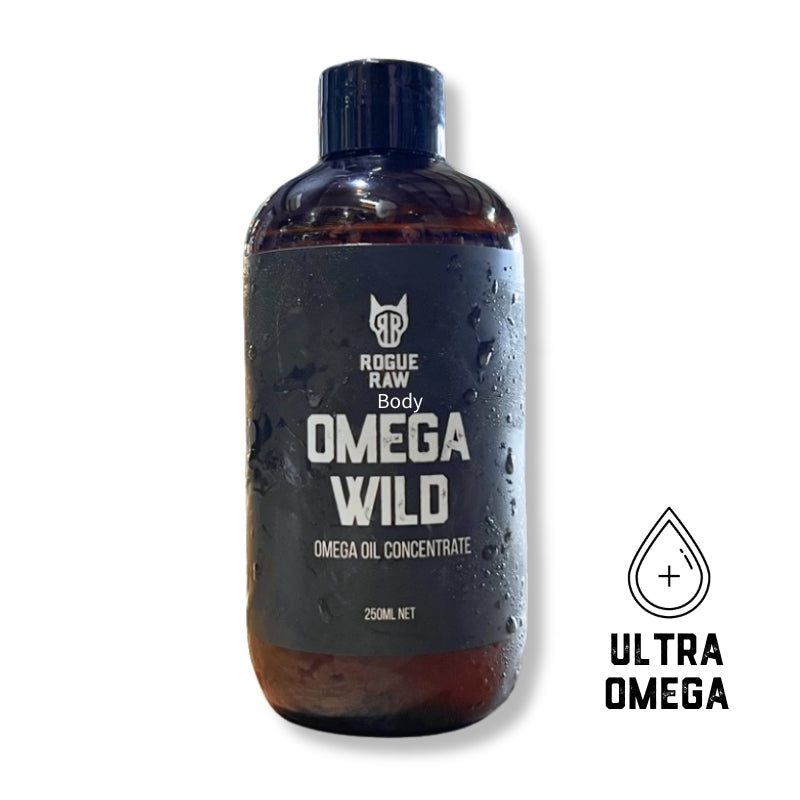
Concentrated omega-3 (EPA and DHA), which research links to slowing the progression of kidney disease.
$40.00
Add to cart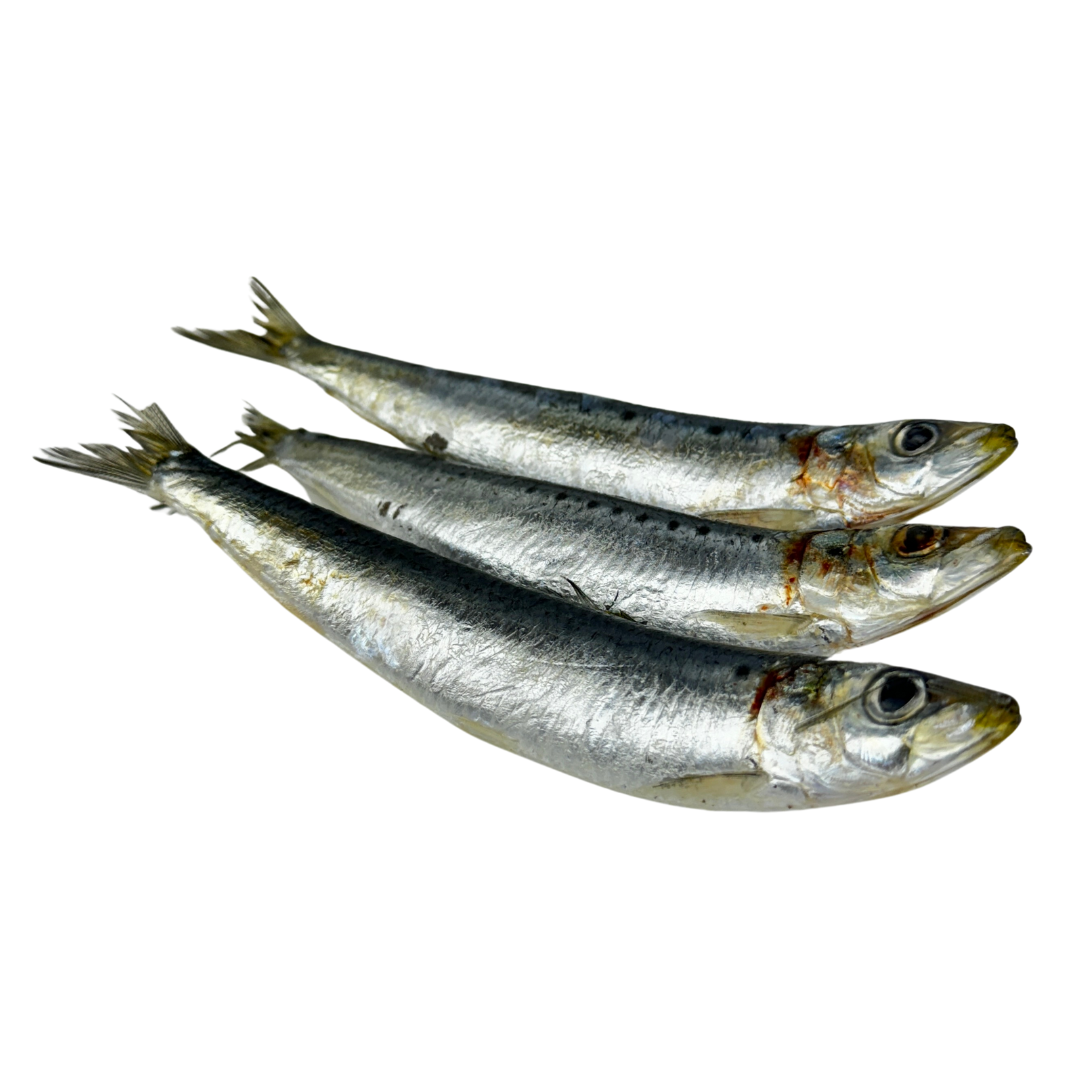
Lean, omega-3 rich fish that supports a natural anti-inflammatory response. A gentle meal addition.
From $9.50
Add to cart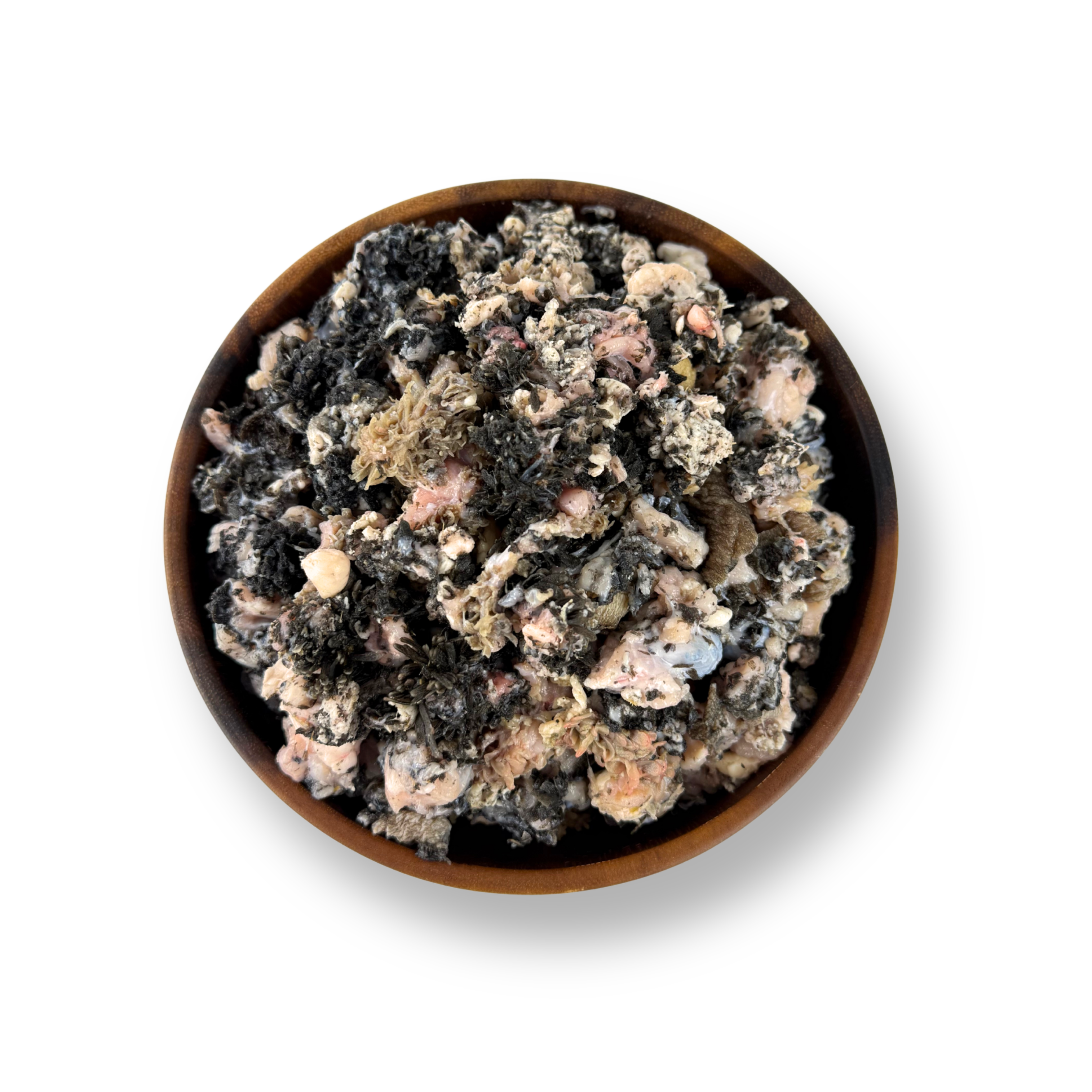
Gentle, moisture-rich and highly digestible, with natural enzymes to support a comfortable gut.
$16.50
Add to cart
A lean, highly digestible novel protein, useful when quality and digestibility matter most.
From $15.50
Add to cartWhat is kidney disease in dogs?
The kidneys filter waste products out of the blood, balance minerals like phosphorus and sodium, and control hydration. In chronic kidney disease this filtering slowly declines, so waste builds up and mineral balance drifts. Early signs are easy to miss, but increased thirst and urination, weight loss, reduced appetite and lethargy are common as it progresses. It is most often a disease of older dogs, the same stage of life when arthritis tends to appear, and the omega-3 that helps the kidneys supports sore joints too. While there is no cure, careful management can slow it and keep a dog feeling well.
Because the kidneys are so tied to what passes through the body, diet sits right at the centre of management, which is also why it attracts so much conflicting advice.
What does a kidney support diet do?
Veterinary therapeutic renal diets are built around a few well-established goals. Compared with regular adult food, a kidney support diet typically delivers reduced phosphorus, reduced sodium, carefully moderated protein, and increased omega-3 fatty acids. Research has shown that dogs on these diets are often better able to avoid a complication called metabolic acidosis and to slow the progression of CKD. That evidence is why most vets recommend a therapeutic renal diet as the foundation.
The aim of all of this is to reduce the workload on struggling kidneys and to keep the blood chemistry as stable as possible, which helps a dog feel better and live longer.
Low protein or high protein? The honest debate
This is the question where the experts genuinely disagree, so rather than pick a side, here is both, fairly.
The conventional veterinary view is to moderate protein. The reasoning is that protein metabolism creates waste products the kidneys must clear, so reducing protein lowers that load and may ease the strain on the kidneys. This is the basis of most prescription renal diets.
The holistic and raw-feeding view challenges that. Advocates argue that older studies overstated the case, that dogs do well on high-quality digestible protein, and that the real lever is phosphorus rather than protein. In this view, cutting protein too far risks muscle loss, and the priority should be excellent protein quality with controlled phosphorus.
Where does that leave you? With your vet, looking at your dog's bloodwork. The evidence is mixed and the stakes are high, so this is not a decision to make from a blog or a forum. What both camps agree on is that phosphorus control matters and that protein quality matters, and that is common ground worth holding onto.
Why phosphorus is the mineral that matters most
If there is one point of agreement across the debate, it is phosphorus. As the kidneys lose function they become less able to clear phosphorus, so the level in the blood climbs, and high phosphorus is linked to faster decline and to feeling unwell. Controlling dietary phosphorus is one of the most important and least controversial parts of managing CKD. It is also one of the reasons home-prepared and raw diets need real care for a kidney patient, because balancing phosphorus correctly is genuinely difficult and best done with veterinary input.
How omega-3 helps, and where RogueRaw fits
Here is the clear, uncontroversial win, and it happens to be something raw feeders can offer well. Omega-3 fatty acids, especially EPA and DHA from fish, have been shown to help slow the progression of chronic kidney disease by reducing the inflammation that drives oxidative stress in the kidneys. Both conventional renal diets and holistic approaches agree on increasing omega-3.
This is where a raw pantry genuinely adds value. Oily fish and fish oils are excellent natural sources, and they are easy to add to whatever core diet your vet has agreed:
- A concentrated omega oil is a simple way to lift EPA and DHA to a meaningful level, added straight to meals.
- Sardines are a lean, whole-food source of omega-3.
Used as a vet-approved addition, omega-3 is a meaningful, evidence-backed way to support a dog with kidney disease, even when the core diet is a prescription one. It helps to know how far behind most dogs start: a 2024 canine study measuring the Omega-3 Index found the average dog sat at just 1.4%, when research regards below 4% as high risk and around 8% as optimal. That gap is why a deliberate, concentrated omega-3 source can add real value on top of a renal diet. You can explore RogueRaw's Omega Wild oil and other fish options in the raw range, then check amounts with your vet.
How should I work with my vet on diet?
Kidney disease is a partnership with your vet from start to finish. A sensible approach looks like this:
- Start with bloodwork. Your dog's results, including phosphorus and kidney values, should drive every diet decision.
- Use the recommended foundation. For most dogs that means a therapeutic renal diet, at least as the core.
- Add omega-3 with approval. This is the clearest, safest win to layer on, in vet-agreed amounts.
- Discuss any fresh or raw elements honestly. If you want to include them, do it with your vet and recheck bloods to confirm it is helping, not hurting.
- Keep water flowing. Hydration matters, and moisture-rich food supports it, so always keep fresh water available.
Frequently asked questions about feeding dogs with kidney disease
What is the best food for a dog with kidney disease?
For most dogs with chronic kidney disease, vets recommend a therapeutic renal diet that controls phosphorus, sodium and protein and adds omega-3. This should come first and be guided by your vet. Fresh and raw foods are debated, but the one clear, agreed benefit is added omega-3, which research links to slowing the disease. Always plan the diet with your vet.
Is low protein or high protein better for kidney disease?
This is genuinely debated. Conventional veterinary diets reduce protein to lower waste products and ease the kidneys' workload. Many holistic and raw advocates argue that high-quality, digestible protein is fine and that phosphorus, not protein, is the key thing to control. Because the evidence is mixed and the stakes are high, this is a decision to make with your vet based on your dog's bloodwork.
Does omega-3 help dogs with kidney disease?
Yes, this is the clearest dietary win. Omega-3 fatty acids, especially EPA and DHA from fish, have been shown to help slow the progression of chronic kidney disease by reducing inflammation in the kidneys. Fish like sardines and salmon, or a concentrated omega oil, are useful sources to discuss with your vet.
Can a dog with kidney disease eat raw food?
Sometimes, as a vet-approved part of the plan, but it is not the automatic answer. Kidney disease needs careful control of phosphorus and minerals, which is hard to balance at home, and a vet-prescribed renal diet usually comes first. If you want to include fresh or raw elements, do it under veterinary guidance with regular bloodwork.
Why does phosphorus matter in kidney disease?
As the kidneys lose function they struggle to clear phosphorus, so blood phosphorus rises, which is linked to faster decline. Controlling dietary phosphorus is one of the most important and widely agreed parts of managing canine kidney disease, which is why diet choices should always be checked with your vet.
The bottom line on feeding a dog with kidney disease
Kidney disease asks for honesty, and the honest answer is that this is a vet-led condition where raw is not automatically best. Start with your dog's bloodwork and a vet-recommended renal diet as the foundation. The protein debate is real and unresolved, so settle it with your vet, not the internet. But the one clear, evidence-backed win is omega-3 from fish, and that is something a quality raw pantry can add beautifully to whatever core diet your dog is on. Work closely with your vet, control phosphorus, add omega-3, and keep your dog comfortable.
About the RogueRaw Raw Feeding Team
RogueRaw is an Australian raw pet food specialist based in NSW, formulating wild and free-range raw diets for dogs and cats. With over a decade of raw feeding experience and more than 30,000 customers, the team specialises in species-appropriate nutrition and natural omega-3 sources. Kidney disease is a serious, vet-led condition, so always manage your dog's diet together with your veterinarian.